
Persimmons are delicious fruits that come into season in the winter. Native to China, Japan, and Korea, persimmons are also extremely nutritious. They are rich in dietary fiber and important vitamins and minerals including, manganese, vitamin C, and beta carotene. In the kitchen, persimmons are extremely versatile and can be used in sweet and savory dishes. They are delicious in salads, breads, cookies, jams, and pies. So next time you are at the grocery store, give this wonderful fruit a try.
Category: Healthy Foods
Wonderful Walnuts
Although nuts are often villainized for being high in fat, did you know that walnuts are a real super food? They contain the essential fatty linolenic acid (an omega-3 fat) which is one of the two essential fatty acids that humans need to obtain from their diet. Essential fatty acids are known to offer a whole range of anti-aging and anti-inflammatory benefits. They keep the heart healthy by helping the blood vessels be flexible, prevent arteriosclerosis and have a positive influence on cholesterol levels. Walnuts are very high in protein and therefore particularly great for vegetarians. A handful of walnuts (about 43g) provides 8g of protein. They are also among the richest sources of antioxidants that help protect against cancer. They are rich in vitamins A, B1, B2, B3, C and E, pantothenic acid and important minerals such as zinc, potassium, magnesium, phosphorus, sulfur, iron and calcium. Walnuts also boost digestion, as they are very rich in fiber.
Butternut Squash
Butternut squash is a Metabolic Balance superstar during fall and winter! Its natural sweetness and versatility make it an excellent choice for maintaining balance in your diet, whether you’re roasting it or blending it into a creamy soup. Butternut squash provides essential nutrients like vitamins A and C, fiber, and potassium, ideal for supporting your overall well-being. Plus, its satisfying, hearty texture can help curb cravings and keep you feeling full and content throughout the season. What is your favorite way to enjoy this delicious vegetable?
Parsnips
As the days are getting shorter and colder again, delicious winter produce such as parsnips come into season. The parsnip is a common root vegetable closely related to carrots. It is a long taproot that has a soft, pale white color. Although parsnips can be used in similar ways as carrots, parsnips are sweeter in flavor when cooked and are perfect roasted, in soups or stews, or casseroles. Not only are parsnips sweeter than carrots but they also contain more potassium and vitamin C than carrots. Now as we are approaching the winter months, consider incorporating this vegetable into the weekly meal rotation.
Beautiful Beets
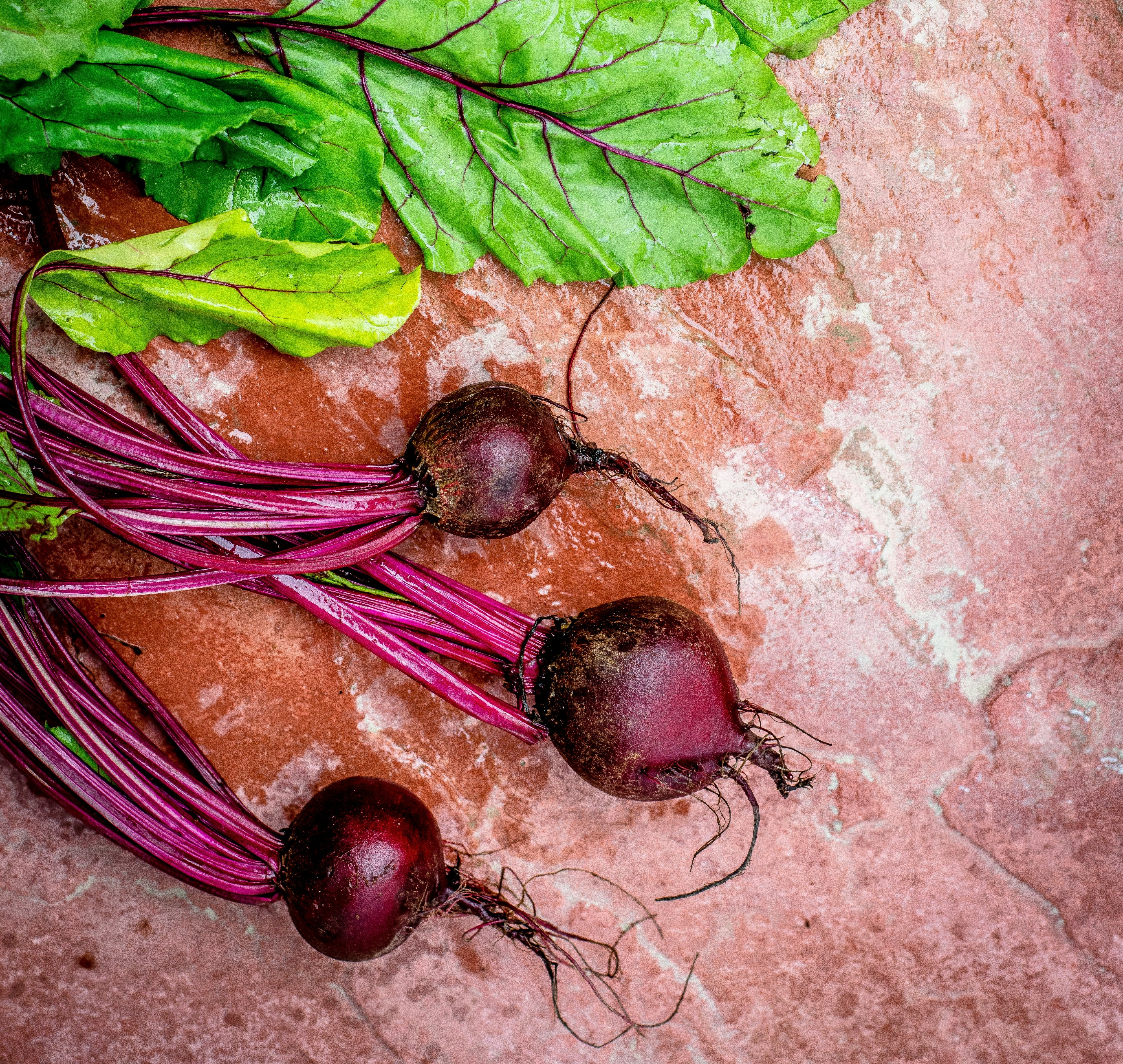
Beets are an absolute superfood! Originally cultivated for it leaves in the Middle East, this plant was first grown for its root by the Romans. As early as the Middle Ages beets were used for their medicinal properties and used to treat different illnesses such as fever and constipation. Nowadays we know why this inconspicuous root vegetable was so effective. It is packed with nutrients including folic acid, vitamin C, betanin and B vitamins.
Not only are beets great for your health but they are also super versatile in the kitchen. You can eat them raw, roasted, or pickled! Stay tuned for a recipe using beets!
Pears
In the late summer and fall, pears are one of the delicious fruits that are in season. Sweet, juicy, and packed with nutrients, pears are a delicious way to nourish your body and support your health. Rich in fiber, they help promote healthy digestion and balanced blood sugar levels, while their natural antioxidants contribute to a strong immune system. Pears are also a great source of vitamin C and potassium, making them a refreshing fruit that supports hydration, energy, and overall well-being. In the kitchen, pears are as versatile as they are tasty. Enjoy them fresh as a snack, slice them into salads for a touch of natural sweetness, or bake them into warm, comforting desserts. They also pair beautifully with savory dishes—think roasted with chicken, tossed with cheese and nuts, or blended into soups and sauces. However you enjoy them, pears bring balance, flavor, and nourishment to your plate.
Cauliflower

Cauliflower is more than just a simple vegetable —it’s a true nutritional powerhouse. Cauliflower is rich in vitamins C, K, and B6, high in fiber to support digestion and satiety, and loaded with antioxidants that help fight inflammation. Even better, cauliflower is an incredibly versatile ingredient in the kitchen. You can blend it into a creamy mash as a lighter alternative to potatoes, pulse it into “rice” for a low-carb base, roast it with spices for a flavorful side dish, or even use it as the base for pizza crust or gnocchi. With its mild flavor and endless culinary possibilities, cauliflower makes balanced eating simple, satisfying, and delicious.

Pumpkin Season
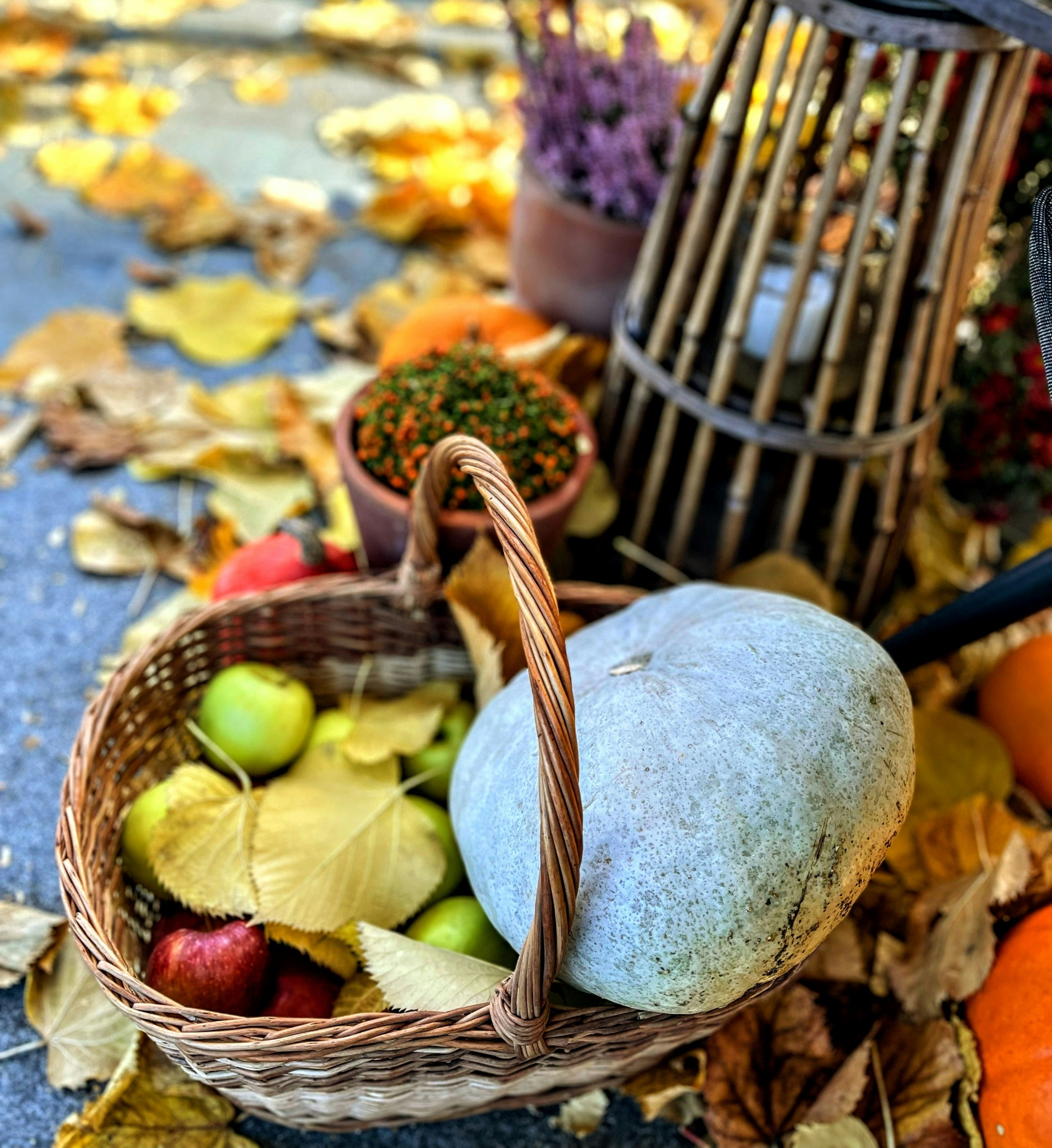
With the start of September and the changing colors of the leaves it means that it is officially pumpkin season! Packed with fiber, vitamins, and minerals, pumpkin supports digestive health, boosts satiety, and keeps your metabolism humming. Its low-calorie density makes it a great addition to your meals, helping you feel satisfied without overloading calories! Whether roasted, pureed, or added to soups, pumpkin is a delicious and nutritious choice for your Metabolic Balance journey.
Boosting Your Energy
As the cooler months approach and the days get shorter, it’s common to feel a dip in energy. But with the right nutrition, you can stay vibrant and full of energy throughout the season! Now’s the perfect time to fuel your body with seasonal, nutrient-dense foods like sweet potatoes, spinach, apples, etc. to boost immunity and maintain your energy levels. By making small adjustments to your meals, you can ensure your body gets the right nutrients to feel your best, even as the temperatures drop. What’s your go-to energy-boosting food for the fall and winter ? Let us know in the comments!
Beautiful Blackberries
Blackberries are more than just a delicious summer fruit—they’re a nutritional powerhouse with incredible health benefits. Packed with vitamin C, fiber, and antioxidant-rich anthocyanins, blackberries can support a healthy metabolism, reduce inflammation, and promote skin health. Their high fiber content aids digestion and helps stabilize blood sugar levels, making them a great addition to any nutrition plan. These versatile berries can be enjoyed in countless ways: stirred into a morning yogurt bowl, tossed into fresh salads for a sweet-tart twist, blended into smoothies, or even used to make a savory glaze for poultry or fish. At Metabolic Balance, we recommend pairing blackberries with a protein-rich snack to support steady energy throughout the day. Whether eaten fresh or frozen, blackberries are a simple, delicious way to nourish your body and support your metabolic health.


You must be logged in to post a comment.