Spending time in nature, like going for long walks outside, is a powerful tool for reducing stress and enhancing mental well-being! Walks allow you to disconnect from the demands of daily life, offering a refreshing break for both body and mind. This break from stress can help support hormonal balance and weight management, key aspects of the metabolic balance journey. So, whether it’s a stroll through a local park on your lunch break or a hike in the woods with family, spending time in nature can be a natural and enjoyable way to boost your well-being while pursuing your Metabolic Balance goals!
Soon, the weather outside will turn gloomy and cold. That’s reason enough to soak up as much daylight and sunshine as possible now. The human body absorbs about 70% of light through the eyes and 30% through the skin. Light is not only crucial for our mood but also for our health. It plays a vital role in synthesizing Vitamin D in our skin. Sunlight not only boosts the production of Vitamin D but also has numerous other positive effects on our body. It positively influences the nervous system and can help lift our spirits and reduce stress. Furthermore, sunlight has positive effects on skin conditions. It can contribute to alleviating skin issues and improving overall skin health. Even if it’s no longer T-shirt weather and jackets are already being unpacked, go for a walk, eat outdoors, or enjoy your coffee on the balcony. Let’s make the most of the last rays of summer sunshine and pamper our skin and mood.
Elevate your well-being with Metabolic Balance! Alongside personalized nutrition, don’t forget the power of self-care. Nurturing your mind, body, and spirit through relaxation, mindfulness, and stress management aligns seamlessly with our program’s goals. Remember, a balanced life embraces both inner and outer wellness. Let’s embark on this holistic journey together!
With Metabolic Balance, you’ll discover a unique nutritional plan that aligns perfectly with your body’s needs. Nourishing yourself with wholesome, nutrient-dense foods gives your metabolism the right fuel to thrive. As your metabolism rebalances, you’ll notice positive changes in your body composition, energy levels, and overall vitality. But it’s not just about shedding unwanted weight. Metabolic Balance goes beyond that. It’s about embracing a holistic approach to wellness, where you prioritize self-care, mindfulness, and sustainable habits. By letting go of old habits that no longer serve your well-being, you’ll create space for new practices that support your journey towards optimal health! Find a coach near you today via our website!
Although we often think of the mental effects of stress, did you know that stress can significantly impact our nutritional needs? When we experience stress, our bodies release stress hormones that can affect digestion, metabolism, and nutrient absorption. Additionally, stress can lead to emotional eating or changes in appetite, influencing our food choices. When stressed, prioritizing nutrient-dense foods that provide vitamins, minerals, and antioxidants is essential. With Metabolic Balance we create a personalized nutrition plan for you so that your body gets all of the nutrients it needs to handle the ups and downs of life.
It’s no secret that what we eat can significantly impact our physical health, but it’s essential to recognize that our diet also plays a crucial role in our mental well-being. Poor diets can trigger nutrient deficiencies, imbalanced blood sugar, inflammation, and more. With personalized nutrition can help you improve your mood, energy, and mental clarity by providing you with a balanced and tailored diet that suits your unique needs and preferences. Join the Metabolic Balance journey and learn how to incorporate the right foods to nourish your body and mind.
Yesterday we highlighted how common stress is in our daily life. In addition to nutrition being a tool alleviate stress, breathing is another way to help with stress. Conscious breathing has a tremendous impact on our metabolism and overall well-being.
Relaxation
Breathing is closely connected to the autonomic nervous system, which regulates our physical responses to stress. By focusing on our breath and consciously breathing slowly and deeply, we send signals to our body that everything is fine and there is no immediate threat. This can help reduce stress levels and achieve greater emotional balance.
Detoxification
Deep breathing promotes blood circulation and lymphatic flow in the body. Lymphatic flow is responsible for tissue detoxification. Improved blood circulation and lymphatic circulation can make the detoxification process more efficient.
Alkalization
Through conscious breathing, we can ensure adequate oxygen supply. This is important for alkalization as oxygen helps in breaking down acids and eliminating them from the body through various metabolic processes. Additionally, the way we breathe can influence the pH balance. For example, shallow and superficial breathing can lead to a more acidic environment, while deep and conscious breathing promotes a more alkaline environment. Deep breaths allow for better oxygen uptake, while effectively exhaling carbon dioxide, which generates acidic reactions in the body.
The great thing about breathing exercises is that you can do them anytime and anywhere. It’s best to set a reminder that prompts you to engage in conscious breathing several times a day.
Start right now: put your phone aside and take five deep breaths, consciously inhaling and exhaling. Count slowly to five with each inhalation and exhalation.
Serotonin is the body’s feel-good chemical. If you’re feeling low, you can increase your brain serotonin levels by eating high-protein foods such as eggs, turkey, chicken, and legumes like beans. Fat for the win! Feeding our brains and nervous system with omega-3 fats can help regulate our mood. Oily fish like salmon, tuna, sardines, mackerel, and herring a couple of times a week, or handfuls of nuts and seeds each day. Quality carbs. Because our body turns carbohydrates into glucose, we need to choose the healthy ones if we want to improve our mood. Vegetables, fruits, whole grains, brown rice, legumes, and yoghurt are all good examples of carbs that provide long-lasting energy rather than a quick high, followed by a crash.
Unfortunately, it’s not just a figment of the imagination, if you feel tired and sad in the dark winter months. In fact, according to studies, more than 5% of Americans experience seasonal depression due to the lack of light and thus a serotonin deficiency in the brain. An unhealthy diet, especially one filled with processed foods can promote depression. But this need not be accepted as a fate. There are some foods that are good for our mind – and chocolate is not the only one.
Fish with their high-quality omega-3 fatty acids and walnuts, for example, can promote mental wellness. Avocado, figs, sunflower seeds, cheese, etc. support the formation of serotonin (the happiness hormone). Green vegetables such as spinach, chard, kale, parsley, but also bananas contain plenty of the anti-stress mineral magnesium, which can have a positive effect on mood swings.
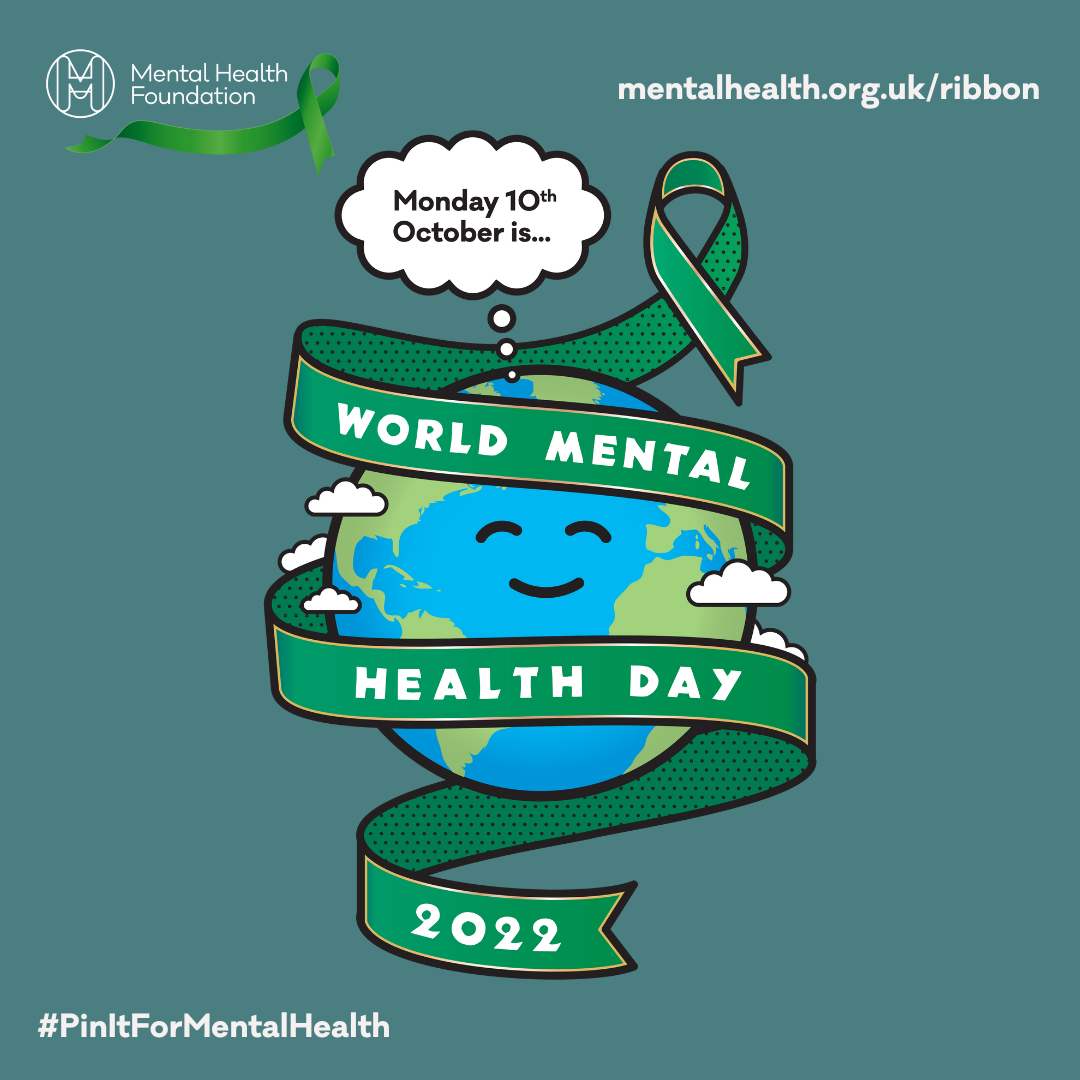
Today is World Mental Health Day. It was first observed on October 10th, 1992, and since then has become a day to raise awareness about mental health issues and create lasting change. With the COVID-19 pandemic and other global issues, more people than ever are struggling with varying aspects of mental health. Now is the time to educate ourselves about mental health challenges, available resources, and how to support those around us who may be struggling. To learn more or find mental resources, check out the links below.







 Metabolic Balance Blog
You must be logged in to post a comment.