

Parsnips

As the days are getting shorter and colder again, delicious winter produce such as parsnips come into season. The parsnip is a common root vegetable closely related to carrots. It is a long taproot that has a soft, pale white color. Although parsnips can be used in similar ways as carrots, parsnips are sweeter in flavor when cooked and are perfect roasted, in soups or stews, or casseroles. Not only are parsnips sweeter than carrots but they also contain more potassium and vitamin C than carrots. Now as we are approaching the winter months, consider incorporating this vegetable into the weekly meal rotation.

Butternut Squash

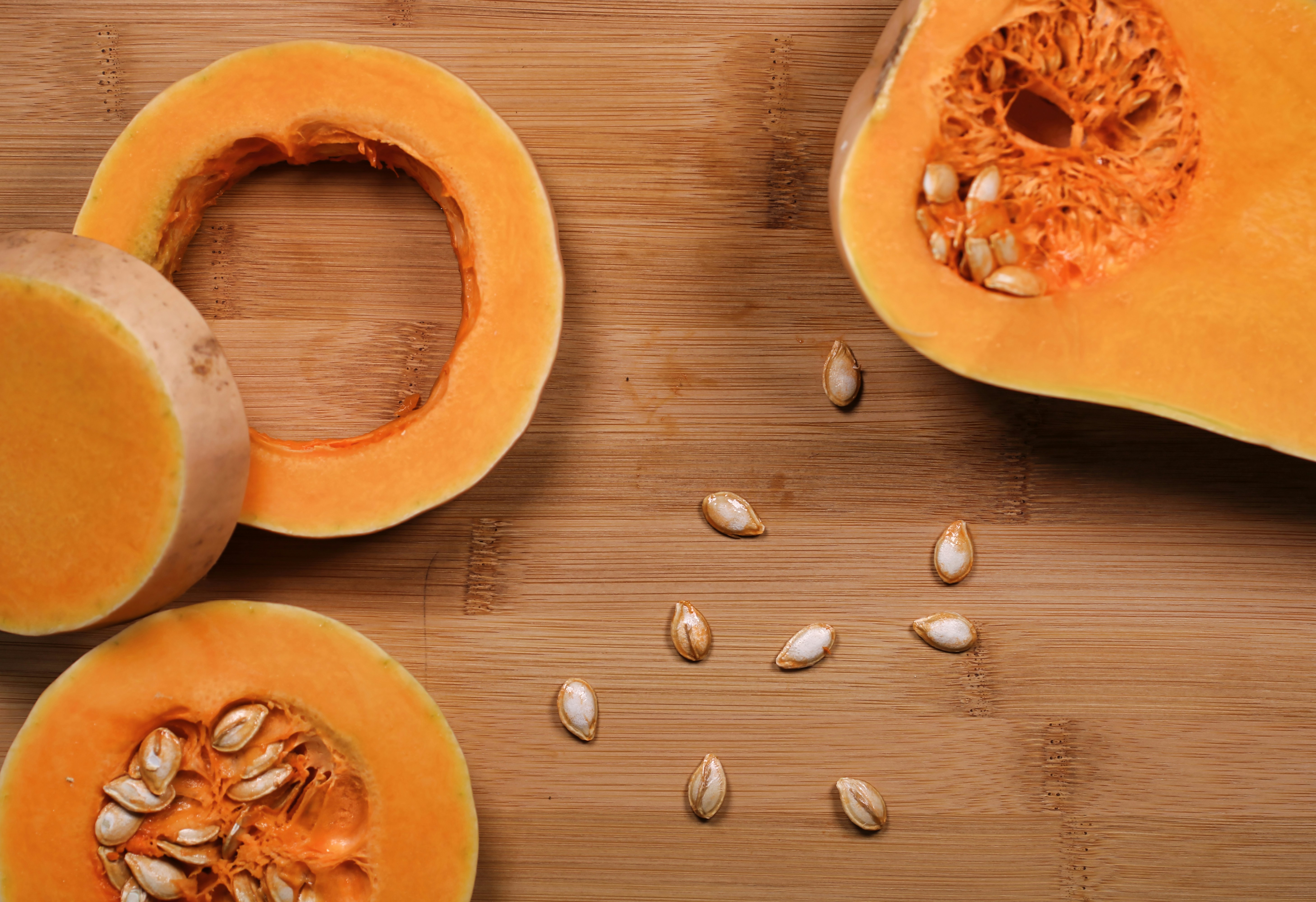
During the winter one of many great seasonal types of produce is the butternut squash! Its natural sweetness and versatility make it an excellent choice for maintaining balance in your diet, whether you’re roasting it, adding it to salads, or blending it into a creamy soup. Butternut squash provides essential nutrients like vitamins A and C, fiber, and potassium, ideal for supporting your overall well-being. This week try incorporating this delicious squash into one of your meals!

Winter Produce

Although we may associate the warmer months with fresh and seasonal produce, there are plenty of delicious and seasonal winter veggies and fruits that can be incorporated into your Metabolic Balance plan. Here are a few winter favorites to add to your plate or weekly meal rotation:

Root Vegetables: Carrots, parsnips, and sweet potatoes are rich in fiber and natural sweetness, perfect for roasting.
Cabbage, Cauliflower, and Brussels Sprouts: Loaded with antioxidants and vitamins, they’re great raw in salads. in stir-fries, or roasted.
Beets: A versatile veggie packed with iron and folate, perfect for soups or salads or even smoothies!
Citrus Fruits: Oranges, grapefruits, and lemons are high in vitamin C to support your immune system.
Persimmons: These are a delicious seasonal fruit packed full of fiber and antioxidants.

Buy Local

Buying products from local farms and artisans is a great idea for many reasons!

  • Choosing to buy locally helps to support small business especially now!
  • It also is much better for the environment. Because the food has to travel a lot less to get to you (long delivery routes or flights are eliminated) it reduces carbon dioxide emissions. 
  • Local food is also particularly beneficial for your health. Because seasonal food is only harvested when it is ripe, it has the maximum content of vitamins and other vital substances.
  • Finally, if you choose to buy from organic or non-GMO vendors, you also avoid products made with harmful chemicals or pesticides.

To find local farms in your area visit the links below: https://www.localharvest.org/organic-farms/list?l=N
http://www.eatwild.com/products/

World Environment Day

Metabolic Balance is a nutritional concept which places particular emphasis on a clean, conscious and sustainable lifestyle. Eating clean and consciously, means paying attention to the origin of the ingredients you buy, how the food you eat is cultivated (pesticides, GMO vs non-GMO, etc.), and trying to reduce packaging and plastics. For example, buying produce from a local farmer or buying in bulk are two simple ways to buy good food while also being environmentally conscious. Check out the resources below for more information.

https://www.un.org/en/observances/environment-day
https://www.worldenvironmentday.global/


Photo: https://versionweekly.com/news/world-environment-day-2020-significance-date-and-this-years-theme-quotes-whatsapp-status-images/

World Environment Day 2020: Significance, date and this year's ...

Variety of Food Matters

Did you know that older varieties of apples are better for you than new?  Old varieties contain more valuable dietary fibers such as cellulose or pectin and important vitamins and polyphenols. Varieties that are in the older category include Granny Smith, and Red and Golden Delicious.

More importantly this idea does not just apply to apples but also to other groups of foods such as corn. Check out this article from 2013 in the New York Times below to learn more.

https://www.nytimes.com/2013/05/26/opinion/sunday/breeding-the-nutrition-out-of-our-food.html

Roasted Vegetables

Parsnips, Brussels sprouts, and many other vegetables – are delicious when roasted in the oven. Roasting brings out a vegetable’s natural sweetness and adds a wonderful charred flavor. Simply place your vegetables together in an ovenproof dish, drizzle with oil, season with salt and pepper, and cook al dente at 350CF (180°C) – with or without cheese!
Enjoy hot or cold, as an au gratin, added to salad, or simply as a side dish!

Julia Child: “… good food … from fresh ingredients”

Julia Child, a well-known American chef and cookbook author, once said: “You don’t have to cook any fancy or complicated masterpieces – just good food made from fresh ingredients”. Metabolic Balance totally agrees. Cook quick, delicious and uncomplicated dishes from the ingredients on your nutrition plan and enjoy them!

MB 03-14 - Gemuese


Baked Beets

Now this is a recipe you should definitely try! Sure you had red beets – how about baked red beets? 

Ingredients for one serving:
1 portion red beets
1 portion cheese (e.g. brie, mozzarella, any semi soft or soft cheese on your plan)
1 TBsp. onions
1 clove of garlic
vegetable stock
fresh ginger

Preparation:
Dice the onions finely and sauté in vegetable stock. Coarsely grate or dice the beetroot. Finely chop the garlic and ginger (quantity to taste) and add to the onions together with the beetroot. Steam briefly and mix well with the onions. Slice the cheese. Set stove to lowest setting or turn it off, spread cheese over the vegetables. Allow cheese to melt – enjoy 😊!

MB 01-27 - RoteBeete

What’s your favorite Okra Recipe?

Do you have okra on your food list? Have you tried it yet? Or are you a bit unsure what to do with it!? Let us help! 

Okra is a plant from the mallow family (so it’s related to hibiscus!) and originally comes from Ethiopia. Okra is actually the edible green seed pods of the plant so technically it could be called a fruit! 100g okra contain only 0.2g of fat and only 20 calories. It’s rich in beta-carotene, vitamin B1, B2 & B3 (niacin), vitamin C, calcium, magnesium, potassium, iron and phosphorus. One of Okra’s nutritional highlights is the high-quality gut-friendly mucilages, which are particularly valuable for healing our digestive tracts and supporting a healthy bacterial balance in the small intestine. They taste great in a ratatouille or a stir-fry where okra mixed with tomatoes, zucchini, parsley root, eggplants and carrots. 

Back to you – what do you think about Okra? What’s your favorite Okra recipe?

MB 12-07 - Okra