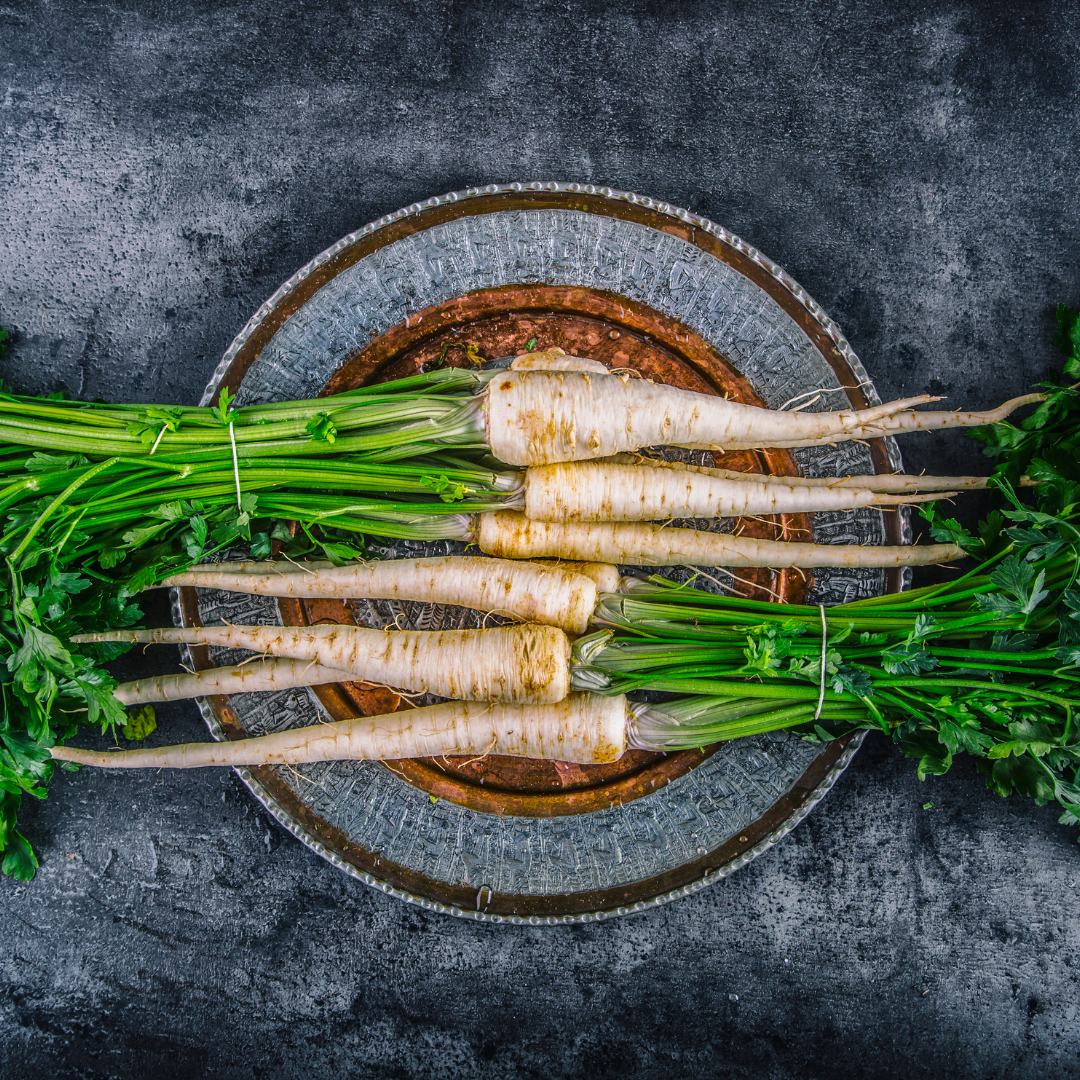

As the days are getting shorter and colder again, delicious winter produce such as parsnips come into season. The parsnip is a common root vegetable closely related to carrots. It is a long taproot that has a soft, pale white color. Although parsnips can be used in similar ways as carrots, parsnips are sweeter in flavor when cooked and are perfect roasted, in soups or stews, or casseroles. Not only are parsnips sweeter than carrots but they also contain more potassium and vitamin C than carrots. Now as we are approaching the winter months, consider incorporating this vegetable into the weekly meal rotation.
Category: winter
Preserving Food At Home
As the colder months are approaching it is the perfect time to try out different ways to preserve fresh fruit and vegetables for the winter.
There are numerous possibilities for preserving food. One of the oldest methods is drying. In the dehydrator, in the oven or in the open air, fruits lose their moisture and become more intense in flavor. A fun fall activity is to go apple picking, cut the tasty apples into slices, sprinkle with cinnamon or a pumpkin spice mixture, and then dehydrate in the oven at 225℉ for 2 hours. This make for delicious and healthy apple chips!
Another option which works especially well for vegetables is pickling or freezing. Both freezing and pickling in vinegar results in significantly lower nutrient losses than drying. Vegetables such as carrots, radishes, and beets are wonderful pickled. Fruits such as berries and peaches particular are ideal for freezing. Whatever method you choose, you can’t go wrong!

Winter Produce
Although we may associate the warmer months with fresh and seasonal produce, there are plenty of delicious and seasonal winter veggies and fruits that can be incorporated into your Metabolic Balance plan. Here are a few winter favorites to add to your plate or weekly meal rotation:
Root Vegetables: Carrots, parsnips, and sweet potatoes are rich in fiber and natural sweetness, perfect for roasting.
Cabbage, Cauliflower, and Brussels Sprouts: Loaded with antioxidants and vitamins, they’re great raw in salads. in stir-fries, or roasted.
Beets: A versatile veggie packed with iron and folate, perfect for soups or salads or even smoothies!
Citrus Fruits: Oranges, grapefruits, and lemons are high in vitamin C to support your immune system.
Persimmons: These are a delicious seasonal fruit packed full of fiber and antioxidants.

Immune Boosting Foods
Brighten up your meals with colorful veggies like bell pepper and carrots! These vibrant vegetables are loaded with antioxidants like beta-carotene and vitamin C, which help protect your cells and boost your immune system. You can toss them in stir-fries, add them to soups, or enjoy them raw with hummus for a delicious, nutritious snack. Especially in the winter time increasing your intake of colorful veggies rich in vitamins and minerals can ensure that your immune system is functioning at full strength.
Turmeric Tea for Winter
A sprinkle of snow, a cozy fire, and a comforting mug of turmeric tea cradled in your hands. Ah, the joys of winter! Turmeric is the real star here, thanks to its superhero compound, curcumin, famous for its anti-inflammatory powers. It’s a digestion champ and a pro at keeping your blood sugar in check, ensuring your energy stays steady during those shorter daylight hours. But the best part? That warm, aromatic flavor perfectly matches the cozy vibes of winter. So, cozy up and sip your way to wellness!
Winter Vegetables
Every year cabbage is again the main protagonist of the regional winter cuisine. Green, white, red, pointed or round – it is more versatile than almost any other vegetable.
However, the nutrient-rich classics of the frosty season also include other vegetables such as celery, leek, salsify and beetroot. In addition, spinach, chard and parsnips are a class of their own! Conjure up delicious dishes from these winter delicacies regularly and enjoy!
Strength Of Your Immune System
Did you know how closely your body weight and your immune system are connected? In simple words it can be said that a healthy body weight and balanced diet usually increases defense strength, whereas an overweight organism is often susceptible to infections. The more overweight a person is, the more drastic is the effect on the immune system. Obesity and visceral abdominal fat often cause chronic inflammatory processes that put so much strain on the immune system that there is no strength left to fight off the autumn and winter viruses! One of the best ways to strengthen your immune system is to eat a balanced diet personalized to your body such as a personal Metabolic Balance nutrition plan.
Parsnips
The parsnip is by no means a boring root vegetable and is full of important vitamins and minerals such as calcium and magnesium. What many people may not know is that parsnips contain more potassium and vitamin C than carrots. Now as we are approaching the winter months, when the days are getting shorter and colder again, you should provide your body with enough healthy food – in this case parsnips! Is parsnip on your nutrition plan or have you ever tried it? Like for yes!


You must be logged in to post a comment.