

Inflammatory Bowel Disease

Inflammatory bowel disease – Crohn’s disease and ulcerative colitis

The incidence of inflammatory bowel disease (IBD) is increasing worldwide. Worldwide, about ten million people suffer from IBD. Two of the most common types of IBDs are: Crohn’s disease and ulcerative colitis. They usually manifest in adolescence or early adulthood. Neither disease is curable, there may be mixed forms of both diseases, and patients can suffer from relapses in both diseases.

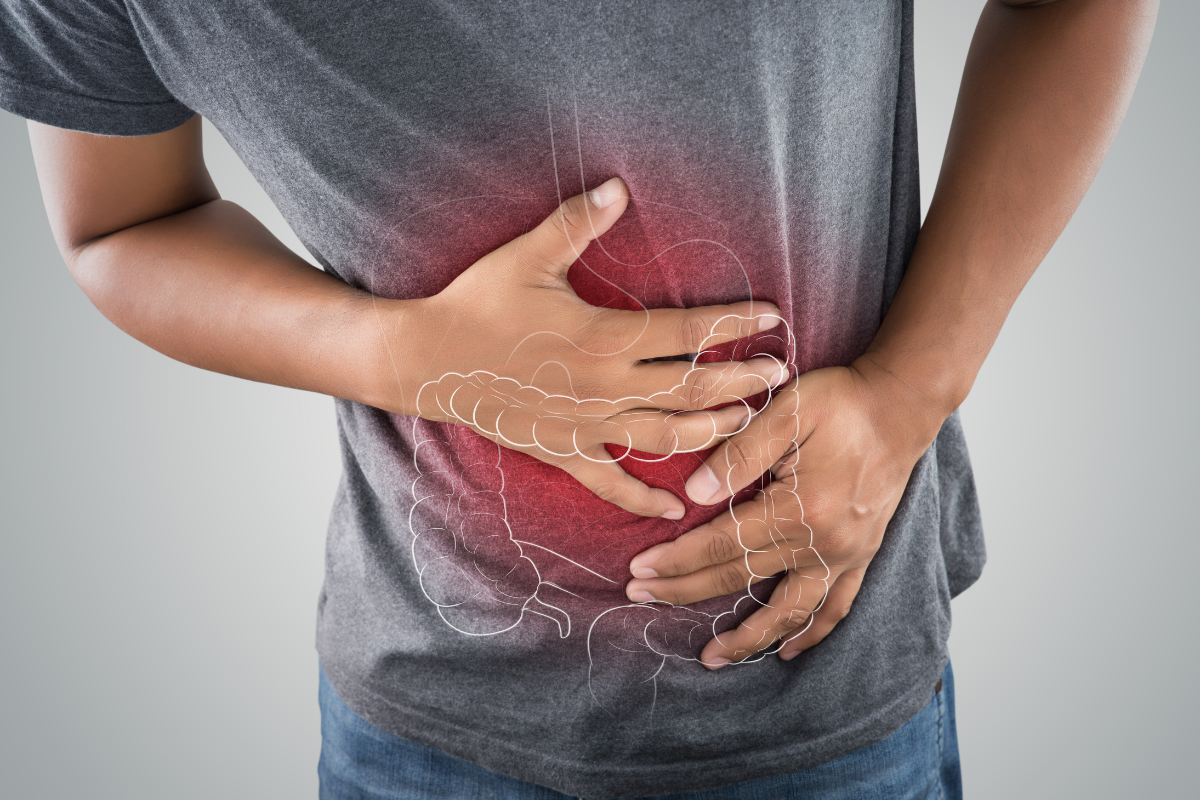
Crohn’s disease can affect all sections of the digestive tract – from the mouth to the anus. The most common site of inflammation in Crohn’s disease is the last section of the small intestine and the beginning of the adjacent large intestine. The inflammation extends through all layers of the intestine.

The involvement of the small intestine in Crohn’s disease can lead to inadequate absorption of nutrients. Vitamin B12 deficiency is particularly common.

In contrast, ulcerative colitis exclusively affects the large intestine and is found only on the uppermost layer of the intestinal mucosa. During an inflammatory episode, the colon can only reabsorb water to a limited extent and this leads to diarrhea, among other symptoms.

Symptoms of IBD

Patients complain mainly of pain in the right lower abdomen and occurrence of bloody and non-bloody diarrhea, often accompanied by cramps. Anal fistulas and abscesses are common.

In addition, other organs may be affected, such as joints, eye, liver or skin.

An additional accompanying symptom is also the impaired absorption of nutrients through the intestine, since the intestine is damaged. In the long run, this leads to further health problems, such as skin changes, growth disorders in children, anemia, gallstones, and even unwanted weight loss.

How do inflammatory bowel diseases develop?

It is now assumed that several factors contribute to the outbreak of both diseases. These include a hereditary component, environmental influences, frequent medication, the intestinal microbiome and a disturbed barrier function of the intestinal mucosa and the associated overreaction of the immune system.

The influence of nutrition is also discussed in IBD, moreover in older studies there is evidence that refined sugars, low fiber and unfavorable fatty acids help to ignite inflammation in the gut.

Current studies also address the question of whether sulfur-containing foods or sulfur-containing additives may be partly responsible for the inflammatory changes in the gut.

Nutrition in IBD

There is currently no specific diet or proven beneficial diet for IBD. Nevertheless, a healthy diet should be included as the basis for any applied therapy in IBD in order to also avoid an undersupply of micro- and macronutrients. Good nutrition certainly cannot completely prevent a flare, but it has been shown to have a positive effect on the course of the disease.

During the acute phase – what to eat?

In this phase it is particularly important to provide the body with sufficient energy, nutrients and fluids and yet not overload the intestines. This is not always easy! The easiest way is to reduce fiber over time, avoid fried, fatty foods and, above all, eat foods that are easy to digest. Creamy pureed soups, steamed vegetables, avocado, steamed fish and natural yogurt are just a few foods that can be quite helpful during this phase and also provide the necessary nutrients and energy.

During this phase, the patients mainly lack protein because the immune system works at full speed and consumes a lot of protein to produce antibodies. In this phase, the metabolism has a protein requirement of 1.2 to 1.5 grams ~2 lbs of body weight.

Free of complaints – balanced nutrition

There is currently no general dietary recommendation for symptom-free periods. However, studies show that avoiding foods that are too sour, too spicy, too sweet and too fatty is good for the intestines. A balanced, healthy diet, containing mainly fresh foods such as vegetables, fruits and herbs, has a positive effect on IBD. This is because these foods contain an abundance of antioxidants and anti-inflammatory nutrients. In order to also allow the intestines sufficient recovery time, it is better to avoid raw vegetable foods at the beginning and to prepare the vegetables gently so that as many valuable vitamins as possible are retained. Furthermore, omega-3 fatty acids support cell structure and cell regeneration. Therefore, sea fish and cold-pressed cooking oils, such as linseed, rapeseed, hemp or walnut oil should be frequently integrated into the diet.

A nutrition based on unprocessed foods also provides important minerals, such as magnesium (oatmeal, nuts, green vegetables, legumes) and zinc (fish, dairy products, nuts, legumes, meat, whole grains), which are extremely important for the metabolism. Both minerals are involved in over 300 metabolic processes. It has even been proven that actually a slight zinc deficiency can trigger an outbreak of inflammation. But the B vitamins must also be supplied in sufficient quantities to avoid deficiencies. B vitamins are water-soluble and are excreted in diarrhea to an increasing degree.

Metabolic Balance and IBD

As I said, there is no such thing as “the diet” for inflammatory bowel disease, but there is a recommendation for a balanced, healthy nutrition. Metabolic Balance is an anti-inflammatory diet and can help sufferers to eat healthily in both acute and symptom-free phases. With the individual composition of foods, the Metabolic Balance nutrition plan provides a guideline for more well-being and vitality.

When Bones Break Easily

Due to rising life expectancy, osteoporosis is becoming increasingly important. In the United States
alone, over 43 million people have low bone mass and are at risk for developing osteoporosis. Osteoporosis is a
disease that particularly affects women. In this article, Silvia Bürkle, from a scientific point of view, sheds light on the possible causes of osteoporosis and what can be done about it.

Excruciating back pain, curvature of the spine, bone fractures – osteoporosis is a serious, sometimes even life-threatening disease. According to the World Health Organization (WHO), pathological bone loss is one of the ten most common diseases worldwide. A gradual loss of bone mass of about one percent per year from around 40 years of age corresponds to the natural aging process and is unavoidable. After menopause, however, bone loss can accelerate rapidly. The transition from normal age-related bone breakdown to osteoporosis is smooth.

In pathological bone loss, the bone mass falls below a certain level, which means that the stability of the bones suffers and the risk of fractures increases.

Bone metabolism

The bones consist of a basic tissue (matrix) that gives them their shape and minerals that are stored in this matrix and give the bones their hardness and strength. Bone tissue is composed of many cells that are constantly being built up, remodeled and broken down.

Bone formation and degradation are controlled by various hormones, among other things. Although female estrogens and male testosterone are not actually bone hormones, they influence their quantity and effectiveness and thus also the bone metabolism. For example, estrogens in women of childbearing age cause an additional deposit of calcium in the bone, which can then be mobilized during lactation when large amounts of calcium have to be supplied in breast milk. In men, the sex hormone testosterone contributes to muscle and bone building.

If the levels of sex hormones decrease, for example during menopause, bone breakdown predominates.

Vitamin D and the thyroid hormone calcitonin store calcium in the bones. The parathyroid hormone from the parathyroid gland, on the other hand, triggers it – in osteoporosis this regulatory mechanism is disturbed.

The bone material is degraded far beyond the normal extent. The matrix becomes perforated and calcium is not sufficiently stored. As a result, the bone becomes porous, loses its strength and can break more easily. Bone fractures as well as the destruction of the bone structure itself can be very painful.

Causes of osteoporosis

Women are particularly affected by osteoporosis. This is because bone loss after menopause can amount to two to three percent per year; in osteoporosis it is multiplied many times. However, the disease also occurs in men from around the age of 60. In younger men, a major cause is excessive alcohol consumption. Alcohol promotes calcium excretion via the kidneys and inhibits bone formation. The decreasing production of sex hormones with age or disease or chronic inflammatory rheumatic diseases as well as long-term cortisone medication also play a role. It is noteworthy that many of the men suffering from osteoporosis have elevated blood fat levels, elevated cholesterol levels and, as a result, often high-grade arteriosclerosis. In these cases, bone loss could also be a consequence of blood circulation disorders to the bone.

Bone-friendly diet

The key to preventing premature and excessive bone loss is a bone-friendly diet. It can be used to achieve the highest possible bone strength at a young age and later to counteract age-related bone loss. Exercise also plays an important role for stable bones at any age. However, the supply of calcium and vitamin D is as inadequate as physical activity in many areas.

Calcium and vitamin D3

On the one hand, calcium is responsible for bone strength in the body. On the other hand, it serves to maintain nerve and muscle excitability as well as cell regulation. All these functions are controlled by the blood calcium level. When the blood-calcium level drops, the body relies on the calcium in the bones. In order to prevent access to the calcium in the bones, it is important to have an adequate supply of calcium with food. However, it is not the only decisive factor whether enough calcium is taken in with food, but also whether there is plenty of vitamin D3 at the same time. This is because vitamin D3 can increase calcium absorption from the intestine.

In addition to milk and dairy products, other sources of calcium include broccoli, kale, parsley, soybeans, nuts and calcium-rich mineral water.

Since bones are subject to constant transformation processes, it is also understandable that a variety of nutrients are needed to maintain bone health. In addition to the nutrients already mentioned, this also includes the minerals magnesium and zinc as well as vitamin B6, vitamin C and vitamin K2. Whether the risk of fractures can be reduced by a targeted supply of these micronutrients, however, has not yet been sufficiently clarified. However, since the substances also perform other important functions in the body, they should always be supplied in sufficient quantities.

Protein for muscle and bone mass

Protein in larger amounts promotes calcium excretion via the kidneys. At the same time, however, a slightly increased amount of protein is recommended in old age. This is because many older people eat too little and thus absorb too little protein, among other things. This contributes to the increased loss of muscle and bone mass. The body then not only resorts to the fat deposits, but also to the protein stores – the muscles. The reduction of muscle mass significantly increases the risk of osteoporosis.

Conclusion:

The best prevention against osteoporosis is a varied diet appropriate to age, little alcohol, avoid smoking and regular moderate exercise. In addition, body weight naturally plays a decisive role, i.e. reduction of overweight or weight gain in the case of underweight.

With the Metabolic Balance nutrition plan you can specifically address the respective needs and at the same time also the foods are selected according to the tolerability.


Meat and Meat Alternatives

Meat and meat alternatives – always worth a discussion!

Many meat lovers love the smell of a grilled steak and often say that nothing beats a good burger. At the same time, many people are trying to reduce their meat consumption either for ethical reasons or environmental concerns. Another reason is that many people are concerned about the impact of meat consumption and especially red meat on their health. Many studies have shown that high meat consumption is partly responsible for many diseases, such as diabetes, cardiovascular diseases or even cancer.

Meat consumption – a health risk?

Scientists have the greatest concerns about “processed meat products”, such as smoked, cured and preservative-treated meat and sausage products, salami, bacon and many more.

Large-scale survey studies conducted by the renowned Harvard School of Public Health in Boston and the World Health Organization (WHO) have revealed: Daily consumption of just 50 grams of processed meat products per day (the equivalent of about 3 slices of salami or a small sausage) increases the probability of developing colorectal cancer by 18 percent, cardiovascular diseases by 42 percent and diabetes by 51 percent. Part of the risk does not come from the meat at all, but from the substances added to it or the compounds formed during production. Unprocessed meat such as steaks, cutlet and minced meat products also pose a health risk.

Nevertheless, it would be wrong to generally label all meat as harmful, it can certainly enrich a healthy diet. Meat is extremely high in quality protein, important trace elements and essential vitamins. Additionally, animal proteins such as meat, are considered complete sources of protein as they contain all amino acids that the human body cannot produce on its own.

Meat substitutes and meat alternatives in abundance

When it comes to replacing meat, the focus is always on proteins, so that the replacement products look as much like meat as possible and replace their function in a meal. So far, products made from soybeans, tempeh or tofu, are considered to be the most popular meat alternatives. In addition, scientists and product developers have also discovered peas, lupins or field beans as rich sources of protein, and in the production of meat substitutes, these are popular as the basis for burgers and the like.

But that’s not all! Scientists are very creative when it comes to producing “tasty” alternatives to meat. Today, sausages, vegan minced meat or bread spreads – “meat paste” based on fungi – are also available. The fungus Fusarium is grown and then fermented, resulting in a fibrous mycoprotein, which gives the products a meat-like consistency.

One of the most discussed food trends at the moment is undoubtedly synthetic meat, the so-called “in-vitro meat.” It is the result of sophisticated biotechnological techniques. The propagation of stem cells from animals in the laboratory makes it possible to produce meat that is similar to the consistency of real meat from animals. What once seemed impossible is becoming more and more of a reality. At the moment, the high production cost is still a limiting factor of mass producing “in-vitro meat.” However, scientists expect that by 2030 at the latest, the processes will be developed to the point where the price of synthetic meat will be the same as that of animal meat.

How healthy are meat substitutes?

Meat substitutes or meat growing in popularity and not only among vegans or vegetarians. Therefore, it is also important to examine the health aspects of these substitutes. In fact, meat substitutes are highly processed foods whose list of ingredients contains high-quality ingredients. However, during processing, these natural ingredients are broken down and vitamins, minerals and trace elements are lost. It is also unclear to what extent the protein structure changes, and whether these proteins can also be broken down into individual amino acids during digestion.

Since meat substitutes are often broken down to amino acids, it is completely overlooked that meat is one the greatest sources of zinc, in a form readily available to the body. Zinc is a trace element that is indispensable, among other things, for the regulation of insulin and the function of the immune system. This zinc is not found in meat substitutes unless it is added synthetically. However, meat substitutes based on legumes in particular contain, in addition to protein, a higher proportion of carbohydrates, for the optimal metabolization of which zinc would be essential.

What is Metabolic Balance’s position on meat consumption?

Metabolic Balance’s motto on meat consumption is: “The dose makes the poison!” – The vast majority of studies carried out under the aspect – “does meat pose a health risk” – have shown that there is a clear risk to health if there is a high consumption of meat, i. e. more than 500 to 600 g of meat per week. It is also important to keep an eye on the amount of processed meat products (salami, bacon, meat paste, smoked sausages, etc. ) and to reduce them as much as possible. Industrially processed meat products are not integrated into the nutrition plans we create for our clients and clients are coached on appropriate levels of protein for each meal. In addition to reducing meat consumption, we also recommend buying organic and local meat if possible.  

Living with Diabetes

Get healthy through the Holiday Season

The Holiday Season – Thanksgiving, Advent and Hanukkah – is just around the corner. Supermarkets have already been selling gingerbread, cinnamon stars, and other sweet allurements for weeks, and the Christmas markets with their aroma of freshly roasted almonds and mulled wine are nearing. Sweet, fatty and carbohydrate-rich foods tempt us everywhere and are supposed to get us through the cold, dark season with pleasure – a great challenge for those who want to keep their body shape or do not want to overstress it, but also especially for those people who should not mindlessly feast for health reasons.

Every Holiday Season diabetics, who should keep an eye on their blood sugar and insulin levels, face this challenge.

With a few tricks and a bit of planning, however, the Holiday Season can be fully enjoyed even with a diagnosis of “diabetes”.

Enjoyment is welcome – it’s the quantity that matters

For everyone – but for diabetics especially – the following is true: “The dose makes the poison.“

When snacking on sweets such as special holiday cake or pie, cookies and the like, enjoying the holiday menu and alcohol, it is important to watch the quantity or switch to tasty, healthier alternatives from the start.

When baking cakes or cookies, it is easy to reduce the amount of sugar and fat without forfeit the taste.

Carbohydrate-rich side dishes such as pasta, dumplings, rice, etc. are also a must on festive days. However, it is worth using these sparingly and preferring a larger portion of vegetables such as red cabbage, root vegetables, or lettuce. Gravy and sauces for roasts can also be thickened excellently with pureed vegetables or rye bread – therefore we can forgo processed starch as well as fatty sauces can be skipped.

In order to maintain a healthy body and metabolism, it is worthwhile to rely on light meals such as protein with vegetables or salad in the evening and to avoid a dessert. This keeps the rise in blood sugar moderate and allows the body to rest adequately overnight.

Alternative enjoyment

For example, instead of a cake, you can prepare a baked apple with raisins and cinnamon. You can easily avoid sugar and fat in this way, and at the same time increase the intake of fiber. Sautéed pears with goat cheese, for example, are also a perfect low-sugar dessert.

Instead of the usual Holiday Treats made with white flour, you can bake cookies made from oatmeal and sweeten them with pureed apple. Pralines made from nuts, dates and cocoa powder also offer wonderful alternatives without fat, white flour and refined sugar. 

Sugarcoated, roasted almonds for example can be wonderfully replaced by roasted chestnuts, which bring their very own sweetness.

Exercise lowers blood sugar

Even if the dark, cold season invites you to cuddle up on the sofa and so many suitable excuses against physical activities are quickly found, you should still incorporate exercise into your everyday life and especially during the holidays. A long walk with friends and family should definitely be a valuable activity following feasting or sitting for long periods of time. This not only burns more calories, but also lowers blood sugar.

Caution with alcohol

For most people, alcoholic beverages such as mulled wine, hot caipirinha as well as (sparkling) wine are part of a felicitous and, cozy Holiday Season. But alcohol also affects blood sugar levels. The extent to which it causes blood sugar to rise however cannot be said in general terms and varies greatly from person to person. Therefore, it is advisable to use alcoholic beverages as sparingly as possible and to measure blood sugar levels more often.

With this in mind, we wish you a joyous and healthy Holiday Season!

Bitter Foods – Against Cravings & for Immune Defense!

“Bitter in the mouth – is health in the stomach”, is an old saying in German folk medicine [“Was bitter im Mund, ist dem Magen gesund.”]. However, many lettuces, herbs and vegetables, which naturally contained bitter substances, have been altered in their taste and thus, nutrition – since nowadays mild, sweet or sour are the favorite flavors. But our organism demands the exact opposite: bitter substances. These are essential for a healthy metabolism.

Bitter substances belong to the secondary plant substances and serve to protect the plant from predators. However, the bioactive functions are also important for the human organism.

It is known that bitter substances from angelica root, gentian etc. have digestive characteristics and strengthen the liver. They trigger increased secretion of saliva and digestive juices via the taste receptors at the base of the tongue, thus promoting (fat) digestion and a faster onset of the feeling of fullness and satiety. But that’s not all – they activate intestinal peristalsis, act against pathological germs and strengthen the immune system. In addition, they curb cravings for sweets and can even reduce fever.

Especially old varieties of vegetables, many lettuces and medicinal herbs provide the right ingredients. The stomach, liver and gall bladder in particular benefit from their richness in bitter substances. Via the autonomic nervous system, bitter substances also activate and regulate the heart and circulation; the brain, skin and tissues are consequently better supplied with blood. Since over 80 percent of our immune cells are located in the mucous membrane of the large intestine, bitter substances also have a direct effect on the body’s defenses via the digestive tract. Finally, bitter substances help with headaches, menopausal complaints, cramps, chronic fatigue, rheumatism and gout.

Cleansing from within

The Romans already valued bitter substances as an elixir of life, stimulant and remedy and used, for example, preparations of centaury. In Indian Ayurveda, too, bitter foods have had a reputation for harmonizing all other flavors and balancing human health for more than 3,000 years. In the Middle Ages, Hildegard von Bingen recommended local herbs with a bitter taste in her recipes, and Paracelsus also knew that bitter substances “clean the body from within” by activating the mucous membrane of the digestive tract, keeping it flexible, elastic and clean. Stimulated this way, the body excretes toxins much better on the one hand and absorbs nutrients and vitamins more easily on the other hand – which is particularly important in fall to start the winter fit, fresh and lively.

Bitter substances to strengthen the immune system

A weakened immune system opens the door to colds, flu and sore throats. A tea made from sage and thyme, however, whips the immune system into shape. Simply mix one teaspoon each of dried sage and thyme per cup, pour in hot water and steep for eight to ten minutes. As with any medicinal tea, drink unsweetened to really feel the bitter substances.

Vital with bitter herbs and lettuce

So for all we know, we say “let’s go for the bitter foods!” But how, when the majority of them has been bred out of foods? Your personal Metabolic Balance plan usually includes a variety of bitter vegetables and fruits, so if you eat a varied diet, you will be supplied with small doses of bitter substances every day, allowing you to benefit from them in the long run.

Tips to increase the content of bitter substances in nutrition:

  • frequently use vegetables and lettuce (radicchio, chicory, arugula, artichokes, endive) in your daily diet
  • use more often fruits containing bitter substances such as grapefruit, orange, lemon, pomelo
  • use spices such as ginger, galangal, pepper, cumin, mustard, cardamom in food preparation
  • enrich salads and vegetables with fresh herbs (thyme, marjoram, lovage, rosemary) and wild herbs (sorrel, purslane, dandelion, etc.)
  • drink green tea or rooibos tea regularly

Tip in case of acute cravings for sweets

Do you have an extreme craving for sweets after a meal? Then it’s worth counteracting with bitter substances.

A strong espresso often helps, as the bitter substances it contains make the sweet craving disappear after a short time. You should also always have so-called “bitter drops” or bitter elixir within reach for such cases. A few drops are enough.

Healthy Nutrition against Migraine Pain

For people affected, migraine is a nightmare. 10 to 15% of all adults are afflicted by a migraine attack at least once a year. In women, the phenomenon appears more often than in men. There are two main forms: Headache attacks without any sign and – in up to a third of those affected – those with an aura as a harbinger. In this case, symptoms such as impaired vision and speech or tingling or dizziness signal the approaching migraine about 30-60 minutes beforehand. More than 90% of these people are unable to work or go about their daily lives during a migraine onset that can last between four hours up to three days.

What are the symptoms of migraine?

Migraine is a neurological disease that is one of the most common causes of chronic pain, absenteeism from work and a reduced quality of life. In migraine, our brain reacts particularly sensitive. It is not uncommon for the throbbing and pounding headaches to escalate to extremes, tearing at our state of health. Additional accompanying symptoms of a migraine can be feeling of sickness, nausea or vomiting. Many sufferers also complain of great sensitivity to noise and light and therefore prefer darkened rooms during a migraine attack.

What triggers a migraine?

The causes that trigger migraine have not yet been clarified in detail. However, it is certain that there is a genetic predisposition to migraine. Furthermore, stress, hormonal fluctuations and diet are mentioned as triggers. An attack can also be triggered by a change in the sleep rhythm, i.e. too much or too little sleep.

A causal treatment and thus a cure for migraine is not yet possible today because of the many triggers. In addition, the exact mechanisms of its development have not yet been sufficiently clarified. However, changes in lifestyle and dietary behavior can keep migraine attacks at bay, so that they are less severe and do not occur as frequently.

Those affected should therefore pay attention to a regular daily routine. This applies to both eating and sleeping. Relaxation techniques such as Jacobsen’s Progressive Muscle Relaxation and sporting activities have also proved effective in coping with stress in everyday life.

Healthy Nutrition
against
Migraine Pain

What to eat with migraine?

Many sufferers are sensitive to foods that contain high levels of tyramine and histamine. Histamine is formed by fermentation processes from the amino acid histidine and tyramine from the amino acid tyrosine. Especially chocolate, well-ripened cheese, salami but also sauerkraut, canned fish and citrus fruits contain either tyramine or histamine. In addition, caffeine, certain proteins in dairy products, preservatives in convenience foods, or the flavor enhancer glutamate can also be linked to migraine attacks. The biogenic amines (tyramine, histamine and glutamine) are apparently trigger factors that promote the development of migraine. In combination with alcoholic beverages such as red wine, sparkling wine or beer, the effect of these biogenic amines is additionally intensified.

In order to prevent migraine attacks by nutrition, it is also primarily a matter of compensating for a lack of energy in the brain. A balanced diet with healthy fats, complex carbohydrates and sufficient proteins is therefore recommended. It is also important to eat regularly and not to skip a meal.

More sea fish and green vegetables

Studies have shown that a good supply of magnesium and omega-3 fatty acids is particularly beneficial, as these substances can have a positive effect on migraine. While magnesium is involved in all energy-generating enzyme reactions in the body and also plays an important role in the transmission of stimuli between muscles and nerves, omega-3 fatty acids inhibit inflammatory reactions, among other things.

In a study involving a total of 182 adults who suffered from frequent migraine attacks, the effectiveness of omega-3 fatty acids in connection with migraine was confirmed. The subjects were divided into three groups and received nutrition plans over a period of 16 weeks, which differed in the fact that one group of subjects received a high proportion of fatty fish and a low proportion of linoleic acid (omega-6 fatty acid). The second group, on the other hand, received meals that contained a high proportion of fatty fish and also a high proportion of linoleic acid. The third group received meals containing a high proportion of linoleic acid and a low proportion of omega-3 fatty acids.

At the beginning of the study, the participating subjects had an average of more than 16 headache days per month and more than five hours of migraine pain per headache day. In addition, they had initial values that showed severe impairment in quality of life despite taking multiple headache medications.

Evaluation of the study showed that the group of subjects with a high proportion of fatty fish and low linoleic acid content tended to reduce total headache days per month by 30 to 40 percent compared to the control groups.

Suitable foods rich in omega-3 fatty acids include fish as well as linseed, walnut and rapeseed oils. Abundant magnesium is found in nuts, legumes, green vegetables or cereal germs.

Metabolic Balance and Migraine

The dietary change according to Metabolic Balance in connection with migraine has often proved positive for sufferers in the past. This is because the nutritional concept brings about a metabolic change through the individual combination of foods and, through its rules, brings clear order back into the eating behavior of those affected, which, according to the results of a study, can have an extremely positive effect on their general well-being.

The advantages of the Metabolic Balance nutritional concept for migraine patients are obvious: A nutrition according to Metabolic Balance produces fewer stress hormones, the participants become more balanced and relaxed, which leads to a significant reduction in pain attacks.

In addition, the overall hormonal balance is improved, from which women with a menstrual migraine benefit in particular.

Histamine intolerance, a known trigger for migraine, can also be improved by a nutrition according to Metabolic Balance. The special selection of foods can correct any possible bacterial dyscolonization of the intestine by strengthening bacterial strains, such as Bifidobacterium infantis or Bifidobacterium longum, which are said to have a histamine-lowering effect. 

In addition, the nutritional concept brings a clear regularity and order back into eating behavior and life by recommending three meals a day with at least a five-hour break in between. Thanks to the new, clear rhythm in their lives, the participants unanimously feel more balanced and resilient.

Sources:

Christopher E Ramsden, Daisy Zamora, Keturah R Faurot, Beth MacIntosh, Mark Horowitz et al.: Dietary alteration of n-3 and n-6 fatty acids for headache reduction in adults with migraine: randomized controlled trial, in BMJ (veröffentlicht 01.07.2021), BMJ

NIH/National Institute on Aging: Consuming a diet with more fish fats, less vegetable oils can reduce migraine headaches (veröffentlicht 30.06.2021), NIH/National Institute on Aging

All Calories Are Not Created Equal

Many people follow the guideline if you “want to lose weight, [you] must ingest fewer calories”. In doing so, they trust the calorie specifications on the food label.

At first glance, this seems logical. The body needs a certain amount of energy to maintain, for example, heartbeat, respiration, digestion, and so on. If there is too little fuel to accomplish the tasks, the body falls back on its fat reserves.

A lower calorie intake should therefore melt away the pounds on your hips – but unfortunately it’s not quite that simple.

What is a calorie?

The calorie is a physical unit for energy, work and heat. More than 150 years ago, researchers determined the amount of energy contained in bread, meat, fish or fruit. To do so, they burnt a certain amount of the corresponding food in a steel cylinder (calorimeter bomb) surrounded by water. This combustion process generated heat which heated the surrounding water. This data was meticulously recorded and used to derive how high the energy or caloric value of the various foods was and this was defined as a calorie or kilocalorie.

“A calorie is consequently the amount of energy required to heat one gram of water by 1 °C” – or 1 kilocalorie (kcal) is exactly the amount of heat/energy density required to heat 1 kg of water by 1 °C (from 22 °C to 23 °C). If a slice of pizza has 245 kcal, this means that the energy stored in it is sufficient to heat 245 l of water by one degree Celsius.

Therefore, one might think that it doesn’t matter for body weight whether one consumes a whole apple or drinks the same amount as apple juice instead. However, while the daily consumption of apples is healthy and provides the body with plenty of vital and dietary fiber, the corresponding amount of apple juice contributes in the long run to the metabolism becoming unbalanced, since in particular the abundant sugar enters the blood quickly and unregulated, thus negatively affecting the insulin level.

Scientists are largely in agreement that it does make a difference where the calories come from, in what form, and probably even at what time of day they are ingested. This is because the type and processing of food determine how our digestive tract and the billions of microorganisms that make their home in it utilize the food.

Preparation and consistency influence calories

Scientists have discovered that food does not release its calories to us one to one. For example, the body has to expend a lot of energy to break down and digest raw vegetables or high-fiber foods. If, on the other hand, the vegetables or whole grain products are cooked, the fiber and complex carbohydrates contained are broken down in such a way that the digestive system does not have to expend as much energy. This implies cooked foods provide more calories than raw foods. The longer a food is cooked or processed, the more the structure of the food changes.

Cell walls break down, nutrients are broken down and are more quickly and easily available to the body.

Janet Novotny, a nutritionist at the U.S. Department of Agriculture, and her colleagues have also demonstrated this very impressively using almonds as an example. The usable calorie content of almonds eaten raw was 20 percent lower than that of the same amount of almond paste. When almond paste was consumed, the full calorie count came into play.

Just to save calories, however, you still shouldn’t switch to a raw food-only diet because it can lead to an undersupply of nutrients and digestive problems. A healthy mix of raw foods and gently prepared foods provides optimal nutrition for the body while still being low in calories.

How much the body absorbs from a food also depends on its consistency. A wholegrain bread with butter and a “Milchschnitte” (a cake based treat with a ‘milky’ filling) are both rated at around 300 kilocalories per 100 grams. The fact that more calories are nevertheless absorbed from the soft children’s snack and that its “caloric value” is ultimately higher can be explained by the fact that the body has to expend more energy when digesting the wholegrain bread with complex carbohydrates.

Japanese researchers have demonstrated this effect in an experiment with rats: for 22 weeks, they fed one group of the animals the usual grain diet. A second group of rats was fed food with the same number of calories but processed food that required significantly less chewing. The result was that the rats with the “soft food” were obese after the experimental period, while the others were not.

Calories – hunger and satiety

It’s one thing to meet your energy needs. But it’s quite another thing to feel full and satiated in the process. Calories are not nutrients. We can mathematically ingest the appropriate amount of energy, but still remain hungry because our food contains few nutrients.

Even carbohydrates and proteins, which both provide 4 kcal per gram, do not have an identical physiological effect on the body.

Short-chain carbohydrates such as glucose enter the blood quickly, causing blood sugar and insulin levels to skyrocket. The hormone insulin encourages the body’s cells to rapidly absorb sugar from the blood. Once this happens, insulin levels promptly drop – which in turn triggers hunger. While 100 kilocalories from a low-sugar apple are filling, the juice drinker quickly feels hungry again and the desire to eat something, despite the same amount of energy ingested, due to the higher sugar intake.

Protein, on the other hand, leads to long-lasting satiety. In the stomach, proteins are broken down into amino acids, which enter the small intestine and stimulate the hormone production of cholecystokinin, peptide YY and glucagon-like peptide1. These pass into the blood and transmit the signal of satiety to the brain. At the same time, insulin levels remain stable after the consumption of protein-rich meals and cravings are prevented. It is also interesting to note – as studies have confirmed – that almost one third of the calories consumed in the form of protein are burnt off again directly when the proteins are digested.

Metabolic Balance does not count calories!

Instead of paying attention to the number of calories, it makes more sense to look at the quality of the food. Metabolic Balance therefore recommends unprocessed foods that are as close as possible to there natural state. High-quality cold-pressed oils should not be avoided under any circumstances, despite their high energy content. After all, fat is not only an energy carrier, but also indispensable for many metabolic processes in the body. Fish, meat, vegetables, fruit, legumes, mushrooms, nuts or dairy products with a natural fat content provide not only energy but also plenty of fiber, complex carbohydrates and protein, which are jointly responsible for maintaining the body’s functions and have a high satiety value. Thus, they help maintain weight or facilitate weight loss without having to count calories.

Meals composed of fat, protein and fiber-rich vegetables – as recommended by the Metabolic Balance nutrition plans – have a positive effect on blood sugar levels.

At the same time, a nutrition according to Metabolic Balance ensures a balanced vitamin and mineral account so that all nutrients can be optimally metabolized. Now at the latest, “all calories are not created equal” – after all, it makes a clear difference to the body whether 300 kcal are consumed in the form of fruit, vegetables and nuts or 300 kcal from foods that are less rich in vital substances, such as potato chips and sweets, which provide hardly any vital substances and make it more difficult for the body to function.

Sources:

  1. Oka, K., Sakuarae, A., Fujise, T., Yoshimatsu, H.,Sakata T, et al. (2003). Food texture differences affect energy metabolism in rats. J Dent Res, 82: 491–494. doi: 10.1177/154405910308200617.
  2. Trivedi, Bijal (2009). The Calorie Delusion: Why food labels are wrong (darin u. a. Interview Geoffrey Livesey), New Scientist. (15 July 2009)
  3. Flores-Mateo, G., Rojas-Rueda, D., Basora, J., Ros, E. & Salas-Salvadó, J. (2013). Nut intake and adiposity: meta-analysis of clinical trials. Am J Clin Nutr, June 2013, 97: 1346-1355. First published online April 17, 2013. doi:10.3945/ajcn.111.031484.

Sugar vs. Low-calorie Alternatives

A calorie-conscious diet is important to many people today. Especially sugar is a red rag for many and so you can find more and more sugar substitutes and sweeteners such as aspartame, saccharin, succralose, mannitol, sorbitol and many more in various foods.

These artificial sugar alternatives are not only used in confectionery. They are also contained in many processed products, beverages and so-called ‘light’ products. Sweeteners usually have a very low or even no calorie content, whereas sugar substitutes, with about 40% of the calorie count, are only reduced in calories compared to household sugar.

Consumers are often easily misled on this topic. Reduced-calorie products are usually understood as “healthy” and are therefore preferentially purchased and consumed. However, the consequences of excessive consumption of the sweeteners or sugar substitutes contained in them can be devastating for the body.

1. Food Cravings

Research has shown that sweeteners like saccharin lead to constant feelings of hunger. This is because when saccharin is ingested, the body believes it needs to metabolize sugar. But since there is no real sugar to metabolize for energy, the organism reacts with feelings of hunger.

In stock-breeding, saccharin is used as an appetite-stimulating fattening agent. In the human organism, its intake has a similar effect.[1]

The consequence of sweetener consumption can lead to eating more and the body is supplied with more energy than it needs. Thus, by consuming light products, more calories are often absorbed than would be the case if the same product containing conventional sugar were consumed.

2. Disturbance of the Intestinal Flora

Products sweetened with sweeteners often contain the statement that “excessive consumption may have a laxative effect”. One of the reasons for this is that the artificial substances can disturb the intestinal flora. Studies published by the German Medical Journal confirm that sweeteners negatively change the intestinal flora.[2] The intake of sweeteners causes bacteria to multiply, which can metabolize more dietary fiber. This produces short-chain fatty acids, which enter the bloodstream via the intestinal cells and – when there is no energy demand – are stored in fat cells.

Artificially produced sweeteners cannot be metabolized by the human organism. Their consumption contributes to the fact that the composition of the intestinal flora is changed. In the long run, this unbalances the metabolism. Weight gain, high blood pressure and other ailments can be promoted.

Metabolic Balance deliberately avoids the use of sugar and any kind of sugar substitutes. The body can cover its sugar requirements with fruit and vegetables. Sugar substitutes and sweeteners, which are produced with high technological input or exclusively artificially in the laboratory, have no place in a healthy and balanced diet, which consists mainly of unprocessed and natural foods.

The clear recommendation is to stay clear of light products and all foods enriched with sugar substitutes.

It is best to reduce sugar altogether. However, if you don’t want to give up cakes or desserts completely, you should definitely prepare them from scratch. By doing so the sugar content can be significantly reduced or the natural sweetness of fruits (e. g. dates) can be used.


[1] Bürkle, Silvia et al. (2015): „Ernährung macht’s möglich – Stress ade“, p. 59

[2] Süßstoffe: Studie belegt Störung von Darmflora und Glukosestoffwechsel https://www.aerzteblatt.de/nachrichten/60139/Suessstoffe-Studie-belegt-Stoerung-von-Darmflora-und-Glukosestoffwechsel

Hypertension under Control

According to studies, 55% of all 35-64-year-old Germans suffer from arterial hypertension (high blood pressure). From the age of 65, the figure is as high as 60-80%. The number of unreported cases is estimated to be much higher, as about 50% of those affected have no knowledge of their disease.

High blood pressure does not initially cause pain or other symptoms and thus remains undetected for a long time. This is problematic because undetected high blood pressure can cause damage to organs such as the kidneys, eyes or heart over a period of years.

How blood pressure develops

In order for blood to flow through the blood vessels to all organs and tissues, force and pressure are required. The pumping of the heart and the elasticity of the vessel walls ensure that this pressure is created. With each beat, the heart powerfully pumps blood into the blood vessels. The blood transported in this way exerts pressure on the vessel walls, which resist this pressure. Together, these two factors account for the level of blood pressure.

When do we talk about hight blood pressure?

Blood pressure is considered to be increased if the first, systolic value exceeds 140 mmHg (millimeters of mercury) or the second diastolic value exceeds 90 mmHg – or both values are higher. Based on these reference values, specialists classify high blood pressure into different degrees of severity:

  • mild hypertension: 140-159 / 90-99 mmHg
  • moderately increased: 160-179 / 100-109 mmHg
  • severe: more than 180 / more than 110 mmHg

Risk of high blood pressure

In medicine, a distinction is made between two forms of hypertension – essential or primary hypertension and secondary hypertension.

Primary hypertension is present in 90% of hypertensive patients. Several factors can affect the regulation of blood pressure. In addition to age and hereditary predisposition, the main factors that increase blood pressure are obesity, a nutrition with too much salt, alcohol consumption, smoking, lack of exercise, stress or even medication.

In secondary hypertension, an underlying disease such as a circulatory disorder of the kidneys, narrowing of the renal artery, hormonal disorders or the so-called sleep apnea syndrome is the cause of the elevated blood pressure.

Permanently elevated blood pressure can damage blood vessels and cause hardening of the vessel walls. If, in addition, the cholesterol in the blood is elevated, this can lead to deposits and a narrowing of the vessels, which causes the blood pressure to rise further. High blood pressure always damages the kidneys. Due to the high pressure, the tiny filtering devices in the kidney die off. As a result, the kidneys are severely impaired in their filtering functions and the metabolic end products are not excreted by the organism at all or only insufficiently.

Hypertension and overweight

A major cause of high blood pressure is obesity. From an excess weight of about 10 kg, the blood pressure increases by about 2.3 mmHg diastolic and leads to a strain on the heart and the circulation, since a larger body mass must be supplied with blood. In addition, the abdominal fatty tissue produces increased angiotensinogen in the body. Angiotensinogen is a tissue hormone that docks to the receptors of the vascular muscles, stimulating the contraction of the vascular muscles, thus contributing to a narrowing of the blood vessels and increasing blood pressure.

In addition, overweight people often also produce too much insulin. Insulin not only regulates blood sugar levels alone, but also influences a special protein, ANP (atrial natriuretic peptide), which helps regulate blood pressure in the body by stimulating increased excretion of fluid via the kidneys when there is high pressure in the vessels. Scientists have found that insulin promotes the breakdown of ANP in adipose tissue, and as a result, overweight people have low levels of ANP, and so this pathway to blood pressure regulation is absent in them.

Hypertension and salt consumption

Sustained high salt consumption can lead to high blood pressure. This also increases the risk of developing cardiovascular diseases. The intake recommendations for table salt range from 3.75 g (American Heart Association) to 5 g/day (WHO) and 6 g/day (Deutsche Hochdruckliga – German Hypertension League) to 6.25 g/day (European Society of Cardiology). In fact, according to a DEGS study (Study on the Health of Adults in Germany), the daily intake of table salt in Germany is 8.4 g/day for women and 10 g/day for men.

Sodium chloride, the main component of salt, is essential for life and performs numerous tasks in the body. For example, it controls the water balance and coordinates the transmission of stimuli to muscle and nerve cells, participates in bone building and activates metabolic processes. In addition, chloride is an important component of gastric acid and therefore necessary for the digestion of protein in the stomach.

Every single cell in the body needs sodium and chloride to allow nutrients to enter the cells. This is because these two substances ensure a permanent exchange of water and nutrients at the cell membranes. The salt concentration before and in the cell is decisive for this. If there is a higher salt concentration outside the cell than inside the cell, water flows out of the cell to compensate for the difference. Conversely, water from the environment flows into the cell as soon as the salt concentration outside is lower than inside.

According to the same principle, sodium chloride can also have an effect on blood pressure: The more salt is absorbed through food and gets into the blood, the higher the fluid content must be there. Therefore, if a lot of salt is eaten, more water is extracted from the cells and incorporated into the blood – the blood volume increases. If the salt intake and thus also the blood volume are increased in the long term, the blood vessels subsequently react by contracting, i.e. they become narrower and the blood pressure rises.

However, how sensitively blood pressure responds to an increase in salt concentration seems to depend on various factors such as genetic predisposition, body weight and age, and is not the same for everyone. This is referred to as salt sensitivity.

The majority of the salt intake is generally through processed foods. However, these are not always just the classic ready-made products. Important sources of salt are primarily bread and bakery products, meat and sausage, dairy and salty snacks.

Metabolic Balance – Regulating hypertension without medication

With the Metabolic Balance nutrition program, we have a tool at hand with which we can have a positive influence on high blood pressure in a very short time and possibly even reduce blood pressure medication. Therefore, regular monitoring of blood pressure is urgently needed in hypertensive clients, especially in the first phase of the nutrition program. This is because during the preparation phase we at Metabolic Balance already start a detoxification program for the body by preparing it for the upcoming dietary change with light food based on vegetables, fruit, potatoes or whole grain rice and with sufficient fluid intake. At the beginning, plenty of water is washed out, which relieves the organs and blood pressure.

In the further course of the Metabolic Balance program, a moderate blood sugar and insulin level is achieved through the selection of foods, i.e. the ANP level in the body also gradually rises again, thus fulfilling its task of helping to regulate blood pressure. At the same time, fat cells produce less angiotensinogen with increasing weight loss.

Studies have shown that blood pressure can be reduced by about 2 mmHg per kilogram (about 2 lbs) of weight loss.

Similarly, salt consumption is greatly reduced in the Metabolic Balance nutrition program. This is not because Metabolic Balance explicitly recommends using less salt, but because there are no processed food products and foods with a high salt content on the menu. The salt from the typical household salt we add to our food ourselves is usually only a fraction of the amount we consume daily through processed foods.

Sources:

  1. Thomas Semlitsch, et.al.: “Long-term effects of weight-reducing diets in people with hypertension” -02/März/2016 https://pubmed.ncbi.nlm.nih.gov/26934541/
  2. https://www.zavamed.com/de/bluthochdruck-uebergewicht.html
  3. Institut für Qualität und Wirtschaftlichkeit im Gesundheitswesen (IQWiG) (2019): Den Blutdruck ohne Medikamente senken, https://www.gesundheitsinformation.de/den-blutdruck-ohne-medikamente-senken.2083.de.html?part=behandlung-ne#zh6a zuletzt aufgerufen am 12.01.2021.
  4. https://www.rki.de/DE/Content/Gesundheitsmonitoring/Gesundheitsberichterstattung/GBEDownloadsK/2015_4_bluthochdruck.pdf?__blob=publicationFile

What are fibers and what role do they play in nutrition?

Fibers have long been considered unimportant for the body.

That this is not true, has only become clear later. For fibers are an indispensable element for a balanced and healthy nutrition.

What types of fibers are there?

Fibers are among the carbohydrates and can be divided into insoluble and soluble fibers due to their different properties.

Insoluble fibers (the majority of fibers)

  • Cellulose: Wheat bran, whole grain products, vegetables
  • Hemicellulose: Cereal grains, oats, rye, barley, legumes, fruits, vegetables
  • Lignin: Corn, lignified vegetables
  • Chitin: Mushrooms, articulate animals

Soluble fibers (types of sugar, starch – can be digested by enzymes in the large intestine)

  • Pectin: Apples, quinces, pears, fruit, vegetables, legumes
  • Marine-algae extracts – agar agar, carrageen: algae
  • Seed mucilage: Locust bean gum, guar gum, linseeds, psyllium, chia seeds
  • Natural gum, acacia gum: Vegetables, bark from different acacia
  • Fructosans: Onions, leek, asparagus
  • B-glucans: Oats, rye, barley, mushrooms
  • Resistant starch: Glucose; starch granules difficult to attack

How do fibers work?

Fibers have a variety of different properties depending on the category.

They stimulate chewing

Due to fiber structure, especially of cellulose and lignin, the food has to be chewed more intensively, which also stimulates the saliva flow. This supports tooth cleaning and neutralizes microbially formed acids, which has positive effects on dental health. The increased chewing effort also slows down food intake and triggers satiety stimuli, which usually means that less food is eaten overall.

Water binding, swelling properties, long-lasting saturation:

The water-binding and swelling properties increase the viscosity, i. e. the fluidity and volume of the stomach content. This delays the emptying of the stomach, which leads to longer satiety.

Swelling types of fiber delay the passage time of chyme through the small intestine, while fiber-like and water-insoluble fibers as well as the mucous substances speed up the passage time. This is why fibers are so appropriate to regulate intestinal disorders, such as constipation, and to improve bowel movements overall.

Positive effect on blood sugar and insulin levels:

Some gel-forming dietary fibers hinder enzymes during digestion, so that glucose can be absorbed more poorly, flows more slowly into the blood and thus blood sugar and insulin levels rise less.

Binding cholesterol and environmental toxins

Some dietary fibers, such as pectin, have the ability to bind to environmental toxins or even excess cholesterol and eliminate them from the body. This can reduce fat absorption, lower blood cholesterol, and decrease the deposit of toxic heavy metals and other pollutants.

Promote microflora and lower pH value

Due to the structural properties of dietary fiber, the multiplication of preferable colon bacteria is promoted and undesirable germs are lowered, among other things, by lowering the pH value. Thus, the microflora of the intestine is strengthened and can better protect against nutrition-related diseases.

Use in the food industry

Some of the listed dietary fibers look familiar to us from convenience foods and various processed foods, as their use is widespread in the food industry.

The food industry particularly appreciates the water-binding and gel-forming properties of a wide variety of dietary fibers (locust bean gum, guar gum or carrageen, xanthan and alginates) and likes to use them as stabilizers and thickeners.

Just as popular, however, are the water-soluble dietary fibers oligofructose and inulin, which have a slight sweetness and give some low-fat products a creamy consistency. However, some of these dietary fibers, which are extracted or produced by chemical processes, are suspected of promoting diseases. Such as carrageen, which is suspected of being carcinogenic and therefore banned in infant food.

How much fiber should be eaten daily?

The German Society for Nutrition (DGE) recommends an amount of 30g of dietary fiber per day. Metabolic Balance also recommends this amount and takes it into account when creating personalized nutrition plans.

To meet one’s daily requirement of 30g of fiber, nutrition must include plenty of fruits and vegetables, as well as whole grains and legumes. For example, 3 slices of whole meal bread, 250g of vegetables, 300g of fruit and 200g of potatoes can cover the daily requirement.

Exclusively isolated fiber in the form of psyllium, chia seeds or wheat bran cannot replace fiber-rich foods. However, these can be added as a useful supplement to nutrition, e.g. in cereals (psyllium husks). Be aware: After ingesting isolated fiber such as psyllium husks, chia seeds or wheat bran, in any case drink 1-2 large glasses of water. Only then the dietary fiber can swell properly and develop its positive effect. If this is not taken into account, among other things, constipation can occur, as the dietary fiber pulls the required water from the intestinal content.

What happens if too little fiber is eaten?

If too little dietary fiber is ingested, this can lead to various negative effects:

  • Constipation
  • Changes in the intestinal wall and intestinal mucosa
  • Obesity, cardiovascular diseases, diabetes type 2
  • Tumors in the colon and rectum

Conclusion

As mentioned at the beginning, the assumption that fiber is unimportant and does not benefit our health can be clearly refuted. A sufficient daily intake of fiber is essential for a balanced and healthy nutrition. This cannot only treat nutrition-related diseases, such as constipation, but also, above all, do something for your health in a preventive way.

Those who eat according to their individual Metabolic Balance nutrition plan can be sure that they consume the recommended amount of 30g of dietary fiber per day. With the balanced ratio of proteins to carbohydrates in the form of fruit and vegetables, as well as the many starchy foods such as whole meal rye bread, oatmeal, potatoes or wild rice, as they prevail in the personalized Metabolic Balance nutrition plans, nothing stands in the way of a fiber-rich, balanced, healthy and preventive nutrition.