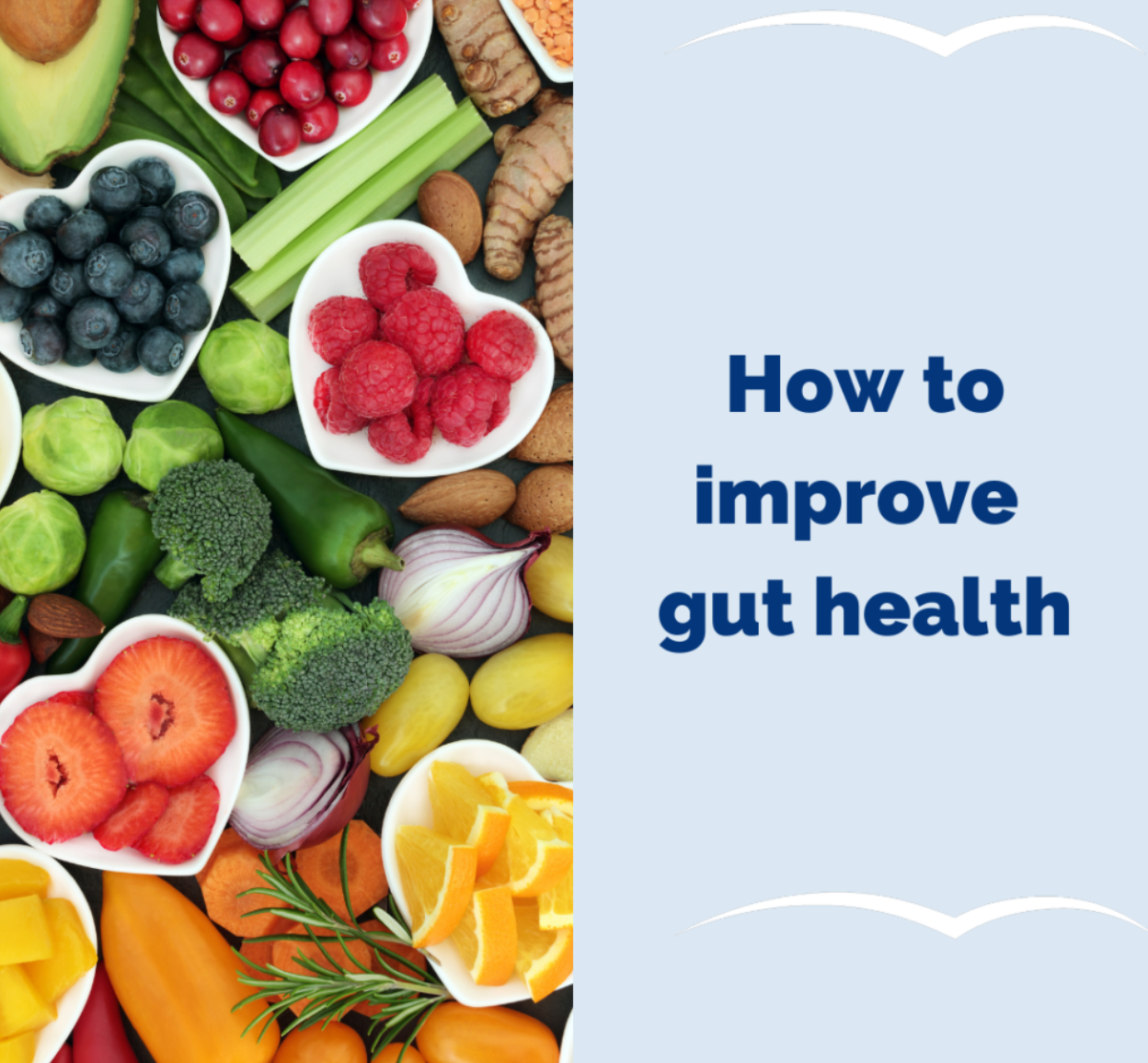
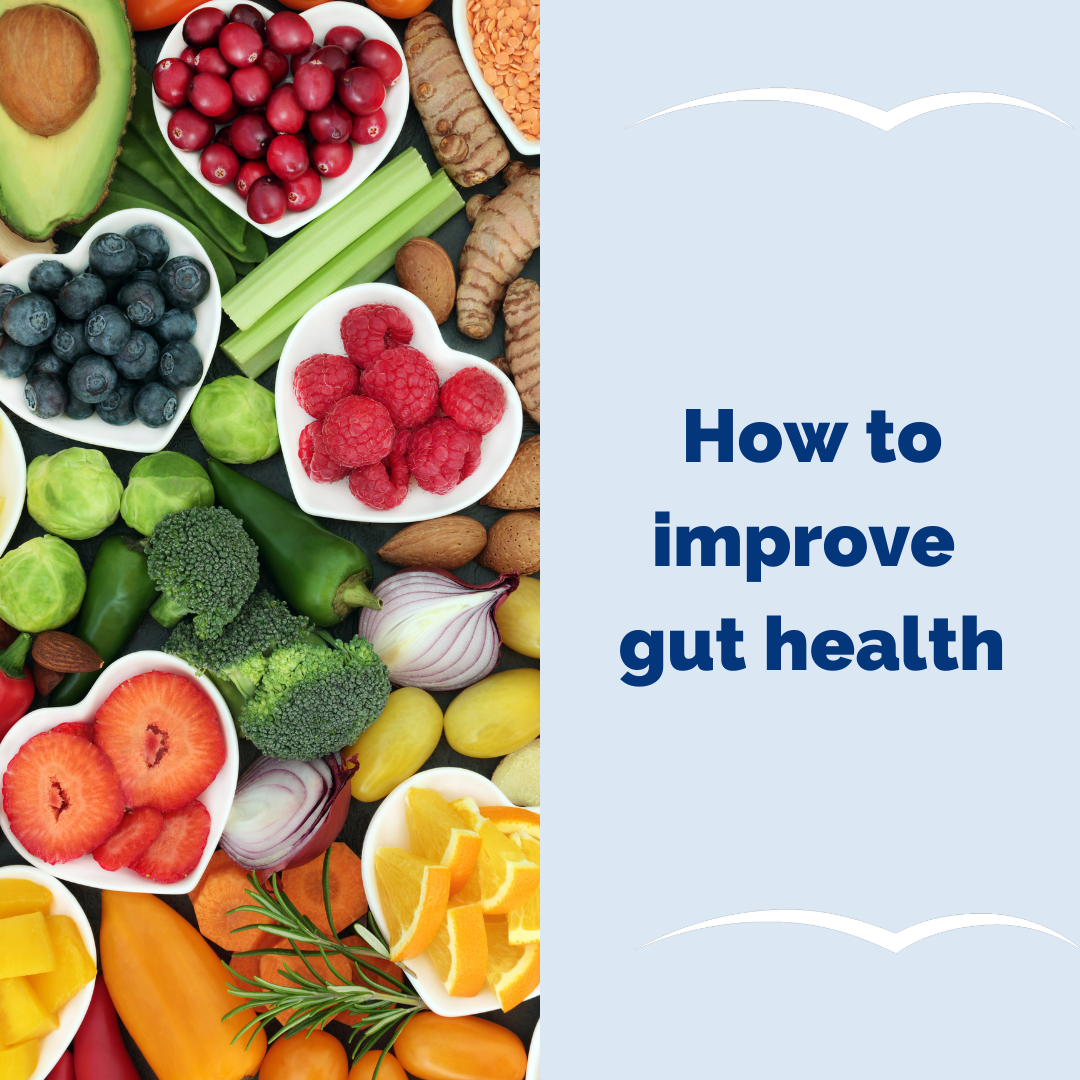
Let’s talk gut health! Did you know your gut plays a huge role in how your body processes nutrients, manages weight, and even affects your mood? To keep your gut happy, focus on a diverse diet rich in fiber, fruits, vegetables, and whole grains. To nourish good bacteria, incorporate probiotics from foods like yoghurt and prebiotics like bananas. Stay hydrated, reduce processed foods, and manage stress with relaxation techniques. It’s all about balance. In the Metabolic Balance program, we focus on supporting your unique digestive system with personalized nutrition. When your gut is happy, your metabolism works better, too. So, let’s give your gut the care it deserves for a healthier, more balanced you!
Fermented foods such as kimchi or sauerkraut are some of the best foods you can eat to support gut health! Sauerkraut is a magical food, fermented by lactic acid bacteria. Fermented foods have a long history in many cultures and are made by a process called pickling. Sauerkraut contains many probiotics which are beneficial bacteria that support a balanced and healthy microbiome. In addition, sauerkraut is also a great source of vitamins C & K, calcium, and magnesium. It’s also a very good source of fiber, folate, iron, potassium, copper and manganese. Overall it is an absolute powerhouse food that provides incredible benefits for your gut and body!
Here is a quick and easy guide of how to make it! Shred raw cabbage finely and layer with salt in a sterile glass container, and then press the cabbage down to remove any air pockets. Let the cabbage ferment in cool, dark place making sure to open the lid every day to remove air pressure. Once the sauerkraut has achieved your desired level of tanginess place the jar in the fridge, and it should keep for several months. Enjoy!
Did you know your gut health is the key to overall wellness? A understanding of the importance of gut health is essential for helping anyone achieve long lasting health and wellness. In Metabolic Balance, gut health plays a critical role in the personalized nutrition plans we create. A healthy gut is the foundation of balanced hormones, improved digestion, enhanced metabolism, and sustainable weight loss. When your gut is in balance, so is your overall health. A focus on gut health can improve digestion and reduce bloating, balance blood sugar levels and energy, boost the immune system, and achieve long-term weight loss and improved mood. Metabolic Balance’s focus on personalized nutrition, tailored to each person’s needs, ensures that gut health is addressed in every plan. To learn more about how Metabolic Balance focuses on gut health visit our website to connect with one of our coaches.
Did you know that the Metabolic Balance program offers a personalized approach to nutrition that can effectively address bloating? By identifying and eliminating potential trigger foods, balancing macronutrients, and promoting healthy digestion, Metabolic Balance helps alleviate bloating and digestive discomfort. With its tailored meal plans, which emphasize the needs of the individual and their body and metabolism, Metabolic Balance provides a holistic solution to address bloating and promote overall health and wellness. To learn more connect with one of our great coaches via our website!
Gut health is closely tied to a healthy diet and lifestyle. There are a few simple steps you can take to help keep your gut happy and healthy:
-5+2 – aim for 5 different veggies and 2 fruits every day
– Make sure to eat a lot of fiber (up to 30g per day). At Metabolic Balance we recommend a variety of veggies, nuts, seeds, rye bread and a daily apple
-Try avoiding processed foods. Choose real foods that don’t need an ingredients list
Research shows that a diet with wholegrains and minimal processed food lowers the risk of colorectal cancer and can benefit the beneficial microbes in the gut. The Metabolic Balance® program is a wholefood personalized meal plan that has helped thousands of clients get results. Get in touch to find a coach near you!
With summer now in full swing hydration is more important than ever! Hydration and more specifically drinking enough water is key to a healthy body and mind!
Here are some tips and tricks to help you to drink more water throughout the day:
💦Compete with someone to drink water regularly throughout the day
💦Eat foods with high water content (watermelon anyone?)
💦Keep a refillable water bottle with you at all times
💦Add natural flavours to your water like lime, strawberry or orange!
By following these tips, you can make staying hydrated a part of your daily routine and support your health and well-being.
Gut health is closely tied to a healthy diet and lifestyle. There are a few simple steps you can take to help keep your gut happy and healthy:
-5+2 – aim for 5 different veggies and 2 fruits every day
– Make sure to eat a lot of fiber (up to 30g per day). At Metabolic Balance we recommend a variety of veggies, nuts, seeds, rye bread and a daily apple
-Try avoiding processed foods. Choose real foods that don’t need an ingredients list
Research shows that a diet with wholegrains and minimal processed food lowers the risk of colorectal cancer and can benefit the beneficial microbes in the gut. The Metabolic Balance® program is a wholefood personalized meal plan that has helped thousands of clients get results. Get in touch to find a coach near you!
When we talk about your gut, we mean your gastrointestinal system, which includes your stomach, small intestine, and colon. You may not know it, but gut health plays a huge role in both our mental and physical health and can have a major impact on how we feel day to day. There are 500-1000 species of bacteria present in your digestive system, and research continues to reveal their vital role in your health. All of the bacteria and microorganisms in your gut weighs about ~200g, about the weight of a mango! Your body generates “good” bacteria to help keep “bad” bacteria in check, so when you have a healthy balance, your health reflects that. The foods you eat have a big impact on gut bacteria, and prebiotics such as veggies, lentils and beans can be a massive help. Additionally eating a diverse array of foods is another way of keeping your microbes happy! Keep your gut happy and healthy, and ensure you are getting the right foods for you!
Gut health is closely tied to a healthy diet and lifestyle. There are a few simple steps you can take to help keep your gut happy and healthy:
-5+2 – aim for 5 different veggies and 2 fruits every day
– Make sure to eat a lot of fiber (up to 30g per day). At Metabolic Balance we recommend a variety of veggies, nuts, seeds, rye bread and a daily apple
-Try avoiding processed foods. Choose real foods that don’t need an ingredients list
Research shows that a diet with wholegrains and minimal processed food lowers the risk of colorectal cancer and can benefit the beneficial microbes in the gut. The Metabolic Balance® program is a wholefood personalized meal plan that has helped thousands of clients get results. Get in touch to find a coach near you!
The intestines are an important part of the digestive system – they transport the food bolus, absorb nutrients and water, produce vitamins and short-chain fatty acids, and remove indigestible food components. With a length of about 25ft and a surface area of up to 3,000 square feet. With our food, we not only absorb vital nutrients that enter the bloodstream via the intestine, but also encounter many foreign substances and pathogens. A healthy intestine that is equipped with a good intestinal flora and whose intestinal wall barrier is intact can catch, destroy and excrete toxins and pathogens before they can pose a risk to the body. Unfortunately, our gut microbes of the intestine can be massively disturbed by today’s modern nutrition and lifestyle. Often the intestinal mucosa is damaged, e. g. by a diet low in fiber and too much sugar or by abundant additives that are added in large quantities to many processed foods. It is estimated that about 17.6 lbs of preservatives pass through the intestine over the course of an adult life. This is unfavorable, since the preservatives do their job in the intestine just as they do as an additive in food: They destroy bacteria and do not distinguish between disease-causing or health-promoting intestinal bacteria.
The intestinal mucosa as a border post Nutrients and water are supposed to reach the body from the intestine. However, this does not apply to undigested food components, toxins and pollutants. Therefore, the intestinal mucosa must form an effective barrier. Normally, the cells in the intestine are located close together and the intercellular spaces are sealed with a kind of “Velcro” tape, i. e. membrane protein complexes, the so-called „tight junctions“. In addition, the intestinal mucosa is supported by a variety of different intestinal bacteria, which settle on the intestinal mucosa like a “thick fluffy carpet”, creating an impermeable barrier to blood circulation. The tight junctions can be opened to allow larger molecules and larger quantities of water to pass through. Disruptive factors such as stress, medications, alcohol, pathogenic germs and various additives can alter the intestinal flora and damage the intestinal mucosa. The pathogenic bacteria primarily benefit from a changed intestinal flora, because they can adapt very quickly to the changed environment and multiply accordingly quickly. As a result, inflammation of the intestinal mucosa may occur and the intestinal epithelium gradually becomes permeable (leaky gut syndrome) to allergens, pollutants and pathogens that harm the body. Allergies, diabetes mellitus type 2, skin diseases and fungal infections are also associated with a damaged and altered intestinal flora.
Food for the intestinal cells Lactobacilli (lactic acid bacteria) and bifidobacteria, which settle sufficiently in the intestine, can protect and strengthen the intestinal mucosa. Studies have impressively demonstrated that lactobacilli can repair defects caused by harmful bacteria. The broadest possible bacterial colonization in the intestine is therefore more than desirable. This ensures that the intestine is well supplied and the intestinal cells are optimally nourished. The intestinal cells receive all vital nutrients directly from the intestinal content. The intestinal content can be partially metabolized by some intestinal bacteria from the group of lactobacilli and bifidobacteria, forming short-chain fatty acids. Short-chain fatty acids provide energy, stimulate intestinal peristalsis and the circulation of the intestinal wall. Particular attention is paid to butyric acid, which promotes the metabolism of the intestinal mucosa and the growth of blood vessels in the intestinal wall. It also has anti-inflammatory and anticancerogenic effects. Propionic acid and acetic acid play an important role in gluco- and lipogenesis. Furthermore, propionic acid supports the glucose balance in addition to building up the intestinal flora. It throttles the release of glucose and stimulates the pancreas to produce insulin. At the same time, the sensitivity of the body cells to insulin is increased. It is therefore beneficial if sufficient lactobacilli and bifidobacteria colonize the intestine. With a nutrition rich in fiber, especially vegetables, legumes, whole grains and fruits, the bacterial population can be increased. But just as important are foods that provide probiotic bacterial strains, which are mainly found in fermented foods such as sauerkraut, yoghurt, kefir, buttermilk and many more.
Intestinal bacteria against obesity Obesity is still mostly induced by high calorie food intake and lack of exercise. However, numerous studies have shown now that there is also a significant difference between normal and obese people with regard to the composition of the intestinal microbiome. Thus, the two bacterial phyla Bacteroidetes and Firmicutes occur in different populations – in normal-weight individuals, in the majority, Bacteroidetes were detected, while Firmicutes predominated in overweight individuals. The higher the percentage of Bacteroidetes, the lower the body weight was. Currently, scientists are increasingly interested in the significance of the bacterial species Prevotella and Bacteroides in connection with the clinical picture of obesity and the corresponding nutritional recommendations. In studies, subjects were divided into different enterotypes depending on which bacterial species dominated – Prevotella or Bacteroides. They were able to show that this classification had a decisive influence on dietary success. If Prevotella dominated, the subjects responded successfully to a nutrition characterized by abundant dietary fiber, especially fiber from whole grain products. If the bacterial strain Bacteroides had the upper hand, then this nutrition was less successful. Instead, a nutrition that promoted bifidobacteria, i.e. foods rich in inulin (parsnips, Jerusalem artichokes, leeks, salsify, and many others), was better able to positively influence metabolism and support weight loss.
Conclusion Our intestine and its functionality has an immense influence on our health and well-being. For this reason, it is important to do everything possible to maintain intestinal health and take good care of the intestinal inhabitants. This is best achieved with a nutrition that is above all varied and rich in fiber and vital substances (vegetables, herbs, whole grains, legumes) and largely avoids processed foods and products. With a colorful mixture of these foods, as they are also compiled in the Metabolic Balance nutrition plan, the health-promoting intestinal bacteria receive plenty of nourishment and the opportunity to settle diligently in the intestine. In addition, high-quality fats (cold-pressed vegetable oils) and proteins (sea fish, nuts, dairy products, eggs) should not be missing. While fats support the energy production of intestinal cells, proteins (amino acids) are important components for building and repairing damaged intestinal cells. The Metabolic Balance nutrition plan takes all these criteria into account. Nevertheless, it may well be that participants with long-standing intestinal problems need support at the beginning of the nutritional change due to a very weakened intestinal flora. In this case, pre- and probiotics can be very useful and good. But – “Keep your eyes open when shopping” – many of these pre- and probiotics contain, in addition to a variety of bacterial strains, plenty of additives, which in turn cancel out the positive effect of the bacterial strains and have an unfavorable effect on the intestinal flora. For example, Metabolic Basics Probiotics B.26 is recommended. With 26 bacterial strains (100 billion germs) and 24 herbal, spice and fruit extracts, it offers a high concentration and bacterial diversity. At the same time, the herbal and spice extracts have an anti-inflammatory effect on the intestine and facilitate the settlement of important intestinal bacteria in the intestine.
Source: Yu Q et al. Lactobacillus protects the integrity of intestinal epithelial barrier damaged by pathogenic bacteria. Front Cell Infect Mircobiol. 5:26.Doi: 103389/fcimb.2015.00026.Schumacher B. “Störungen im Darm machen krank“. Ärzte Zeitung 2014 Oct 10; 03:05.Wehkamp J, Götz M, Herrlinger K, Steurer W, Stange E „Chronisch entzündliche Darmerkrankungen“; Deutsches Ärzteblatt 2016 Feb 5; 113/5Fischer S. „Genom, Proteom und Mikrobiom – Ein mikrobiologischer Blick in den menschlichen Organismus. Die Naturheilkunde 5/2015Francesco Asnica et. Al: Microbiome connections with host metabolism and habitual diet from 1098 deeply phenotyped individuals; Nature Medicine (2021; DOI: 10.1038/s41591-020-01183-8)Christensen L., Roager H. m., astrup a., Hjorth m. f. (2018): microbial enterotypes in personalized nutri-tion and obesity management. am J Clin nutr 108 (4): 645–651Hjorth m. f., Roager H. m., Larsen T. m., Poulsen S. K.,Licht T. R. Bahl m. I., Zohar Y., astrup a. (2018): Pre-treatment microbial Prevotella-to-Bacteroides ratio, determines body fat loss success during a 6-month randomized controlled diet intervention. Int J Obes 42 (3): 580–583









 Metabolic Balance Blog
You must be logged in to post a comment.