Do you need to be more energized, or just not quite like yourself lately? Your body might be telling you it lacks essential B complex vitamins! Made up of eight different B vitamins, the B complex is crucial in maintaining a healthy body and mind. These vitamins help convert food into energy, support the immune system, and promote healthy skin, hair, and eyes. They’re also essential for brain function, pivotal in regulating mood and reducing stress. As the body does not synthesize them, these vitamins must be obtained through food, such as meat, eggs, milk and derivatives, cereals, grains and some vegetables. If you have any questions about the B complex sources of your diet, ask your coach! Always remember, your meal plan is created based on your blood results!
There are 13 essential vitamins, and each of these vitamins are critical for maintaining our health and wellness. Our body needs these substances for numerous metabolic processes. Vitamins are indispensable for building cells, for blood formation and for the stability of bones and teeth.
In this article, Silvia Bürkle, from a scientific point of view, sheds light on how to ensure an optimal supply of vitamins and whether a supply of dietary supplements is necessary.
Vitamins – the word itself contains vitality. “Vita” stands for life and “Amin” stands for nitrogenous organic compounds. No marketing expert could have thought up a more appropriate name.
Each of the 13 vitamins known today are considered essential for human life. Our body needs these substances for numerous metabolic processes. Vitamins are indispensable for building cells, for blood formation and for the stability of bones and teeth. In addition, they strengthen the immune system, inhibit inflammation, ensure firm hair, nails and healthy skin. At the same time, they positively influence hormonal balance, the nervous system and mental wellness.
In order to stay healthy, we need to ingest these vitamins with our food, because the body, with a few exceptions, cannot produce the vitamins by itself. Some vitamins, such as vitamin K, biotin or vitamin B12, can be synthesized in small quantities in the intestine if the intestinal flora is intact, while others are absorbed as provitamins. These vitamin precursors such as beta-carotene or cholecalciferol are then converted in the body into the actual vitamin A or D, respectively. Vitamin D is a special case, as it can be formed in the skin with the help of sunlight (UV-B radiation) and cholesterol. Due to its chemical structure, it rather belongs to the steroid hormones.
But how can we know whether a normal diet is sufficient to provide us with an optimal supply of vitamins? Because in most cases we can neither see nor taste the valuable substances. So it is no wonder that many people fear that they might be deficient in one of these vitamins. Especially since it is often said that fruits and vegetables now contain fewer nutrients than they used to.
Scientists in various countries have explored the question of whether our foods today actually contain fewer valuable ingredients than they did 50 or 100 years ago. The results were quite different; while Germany, Denmark and Australia found hardly any significant differences, the data from researchers at the University of Texas showed significant changes.
However, such comparative studies are controversial, as soil quality and weather often have a strong impact on how a plant grows and thrives, and thus on the composition of its fruit. This is because depending on whether, for example, a zucchini grows in a warm or cold summer, on loamy or sandy soil, in a dry or wet area, its vitamin content can vary considerably.
In addition, the storage and transport of fruits and vegetables also impact their vitamin content. In general, the following applies: The more time that passes between harvest and consumption, the more vitamins are lost. Most of these vitamins are extremely sensitive to light and oxygen and gradually degrade. In most cases, between 10 and 40 percent of the micronutrients are also lost through storage and preparation.
But what do these findings mean for our health? Can long storage and improper preparation actually cause us to be deficient in essential vitamins?
Of course, there are various causes that can lead to increased vitamin requirements, such as stress, smoking, increased alcohol consumption, gastrointestinal disorders, growth, competitive sports or medication intake. In addition, reduced vitamin intake may be present in diets and unbalanced nutrition, especially frequent consumption of processed foods and reheated meals, in vegans and seniors. Young women with a desire to have children, pregnant women and nursing mothers also have an increased need that must be met.
In any case, this is the conclusion reached by the scientists who have analyzed eating habits and needs in various studies. In particular, it was found that some vitamins and minerals in particular were in short supply, such as vitamin D, folic acid, calcium, iron, iodine and fluorine. In view of such surveys, one gets the impression that it is almost impossible to cover nutrient requirements through meals – and that people therefore have to resort to dietary supplements.
Vitamins? Yes, please! Dietary supplements? No, thanks!
A hot dog with fries and then a vitamin pill to ease your conscience? That doesn’t work! Only the vitamins in fruit and vegetables, fish, meat, eggs and whole grains are easily broken down and absorbed by the body. Vitamin pills and other dietary supplements, on the other hand, are highly dosed, but often have a low bioavailability and can do more harm than good. Natural foods provide not only vitamins, but hundreds of other, sometimes still unknown substances that work together with the vitamins in a highly complex way in the body and supply the organism with all the building blocks of life it really needs.
Conclusion:
Nobody has to fear a vitamin deficiency if they eat a healthy and varied diet, unless they belong to a risk group. However, this requires reaching for fresh fruits and vegetables daily, eating fish once or twice a week, using cold-pressed vegetable oils, and including legumes and nuts in the diet more often. Highly processed foods that are enriched with fat and sugar should not be the first choice. They provide mainly energy, but hardly any micronutrients.
The foods of a Metabolic Balance nutrition plan are selected and compiled in such a way that you can compensate for deficiencies and nutrient fluctuations of the individual foods hardly matter.
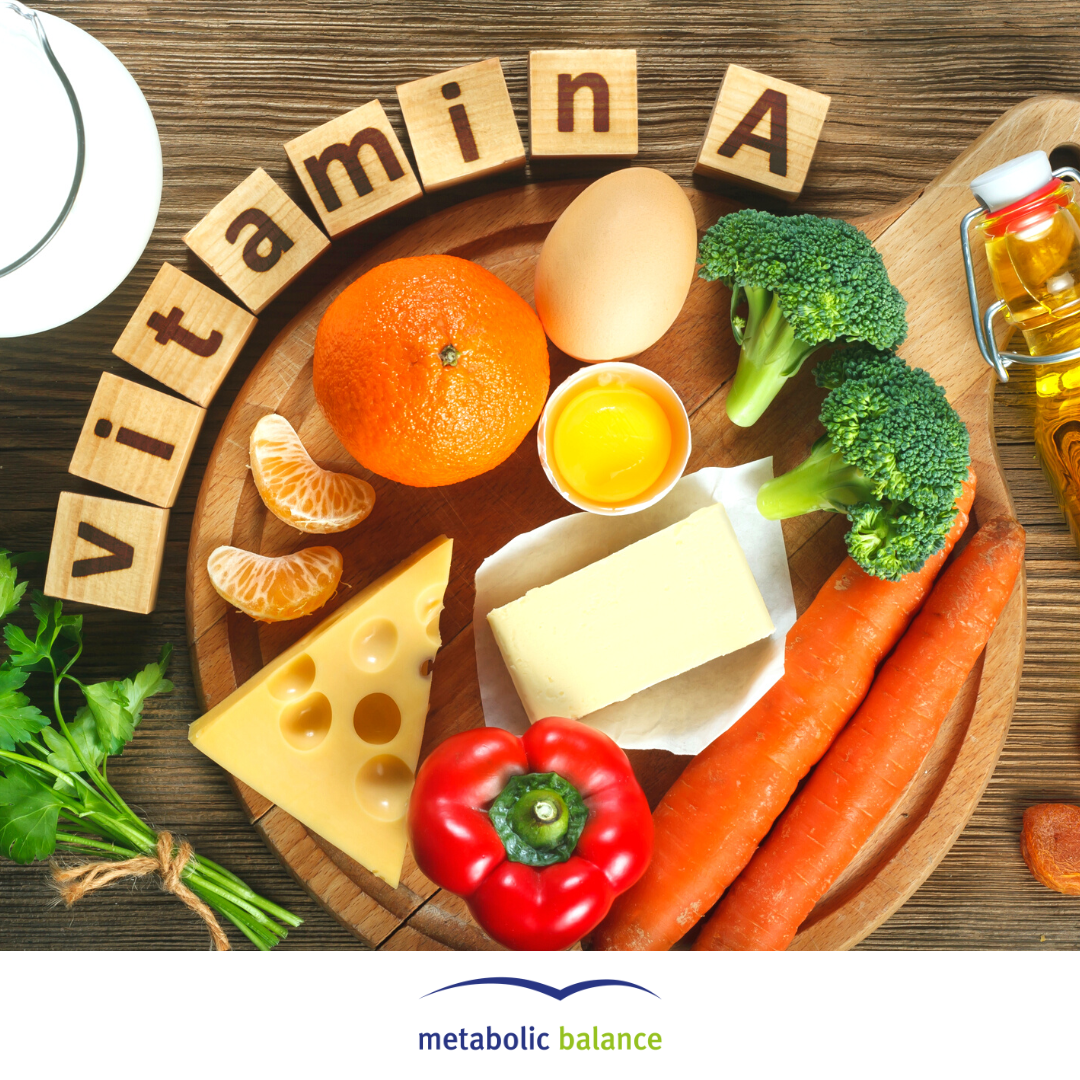
Having the right balance of vitamins and minerals in the body is crucial for long-term health and wellness. For example, a vitamin A deficiency can increase one’s risk for respiratory illnesses like pneumonia. It may also lead to anemia (a condition in which the red blood cells do not supply enough oxygen to the body). Normal growth and development, the immune system, reproduction, and vision all depend on vitamin A. It also supports the healthy operation of your heart, lungs, and other organs. One way of preventing a Vitamin A deficiency is through diet. Many foods naturally contain vitamin A, a fat-soluble vitamin. Did you know that yellow, orange, and red fruits and veggies are great sources of vitamin A, as are our green faves, spinach and broccoli… This is just one example of how you’ll learn to love the foods that love you back with Metabolic Balance! To begin your journey to a healthier you, get in touch with us today.
Do you also wonder why you often catch a cold in the cold season, even though you eat healthy and get enough exercise? The reason may be a vitamin D deficiency. Vitamin D is important for the immune system, but it can only be produced in the skin with the help of sunlight. So in the gloomy months, you are bound to have a vitamin D deficiency and should take the sunshine vitamin as a dietary supplement in consultation with your doctor. Unfortunately, it is not possible to remedy an acute vitamin D deficiency through diet alone. In the overall vitamin D balance, the vitamin D ingested through food takes up only 10-20% of the total required. Of course, there’s still no harm in trying to supplement your own balanced diet with vitamin D-containing foods.
Vitamins are vital substances which the body cannot produce on its own and which must therefore be constantly supplied through healthy and varied nutrition. Different vitamins have specific functions in the body. For example, they influence the conversion of food into energy, the building of body cells, supporting the immune system, the formation of hormones, the detoxification of the body and the support of enzymes. The vitamins E, D, K and A are fat-soluble vitamins. All other vitamins are water-soluble. Common sources of these vitamins include oranges, green leafy vegetables, carrots, apples, and salmon.
Carrots are a staple in many kitchens and today we have a few tips that all involve carrots!
Although baby carrots are a convenient option, try picking up large, regular carrots the next time you are at the store. Not only do these taste even more delicious than baby carrots but they also keep much better in the fridge. After shopping, carrots should be taken out of their packaging immediately and preferably stored in the vegetable drawer in the fridge. We also advise always removing the green leaves before storing, but don’t throw them away! Carrot leaves are far too good not to use – we suggest adding them to a green smoothie like this one. Simply blend the green stems from three carrots with 1.5 cups of water, 150g baby spinach, a peeled orange, a few chunks of mango and banana, and a tablespoon of cold pressed flax oil! This smoothie is not only delicious but also provides a great boost of energy.
By the way, did you also know that the alpha and beta carotenes in carrots are a precursor of vitamin A? This is what makes carrots so good for your skin. In addition, they contain B vitamins and vitamin E plus an excellent level of the minerals magnesium, phosphorus, calcium and iron as well as the fiber pectin.
A final couple of tips: Always add a little oil to your carrot dishes, otherwise the fat-soluble vitamins they contain will not be able to be fully absorbed by your body.
Let’s talk spinach! As kids many of us probably were not a big fan of this leafy, green vegetable.
Spinach is not only delicious but also packed with nutrients. In addition to a comparatively high iron content, it contains minerals such as potassium, calcium and magnesium. It is also rich in vitamins B and C. Especially in the kitchen, spinach is extremely versatile. It can be used in many ways, whether in salads, as pesto or quite classically in combination with a fried egg. Consider trying a new way to use this great vegetable!
A change of diet through Metabolic Balance program can not only help with you physical but also mental well-being. Different chemicals and processes in the brain are responsible for your mood and are impacted by what you eat. For example, serotonin is produced in a healthy intestinal flora when the body has absorbed enough tryptophan through a healthy diet. Omega-3 fatty acids commonly found fish, flax and chia seeds are important for brain metabolism. B vitamins found in many foods including protein sources are also brain boosting vitamins. All of this is to say that, “happiness can be eaten”.
Pineapples are one of the strangest looking fruits but actually pretty awesome!
This exotic fruit belongs to the flowering bromeliad plant family and takes around 2 years to mature. Pineapples contain the enzyme bromelain which can break down proteins (can tenderize meat) and supports digestive health. Pineapples also contain vital minerals including potassium, magnesium and calcium as well as the trace elements manganese, iron, copper and zinc. Small amounts of vitamin A, the vitamins of the B group and vitamin C are also present in this delicious fruit.
Pineapples are great as a snack, in sweet dishes such as a crisp, or in savory dishes such as fried rice or a salsa. Whichever way you enjoy eating pineapples, the possibilities are endless!
Tip: Pineapples don’t ripen after they have been harvested and their color doesn’t necessarily indicate ripeness. For example, a greener looking pineapple could be just as ripe as a yellow pineapple.
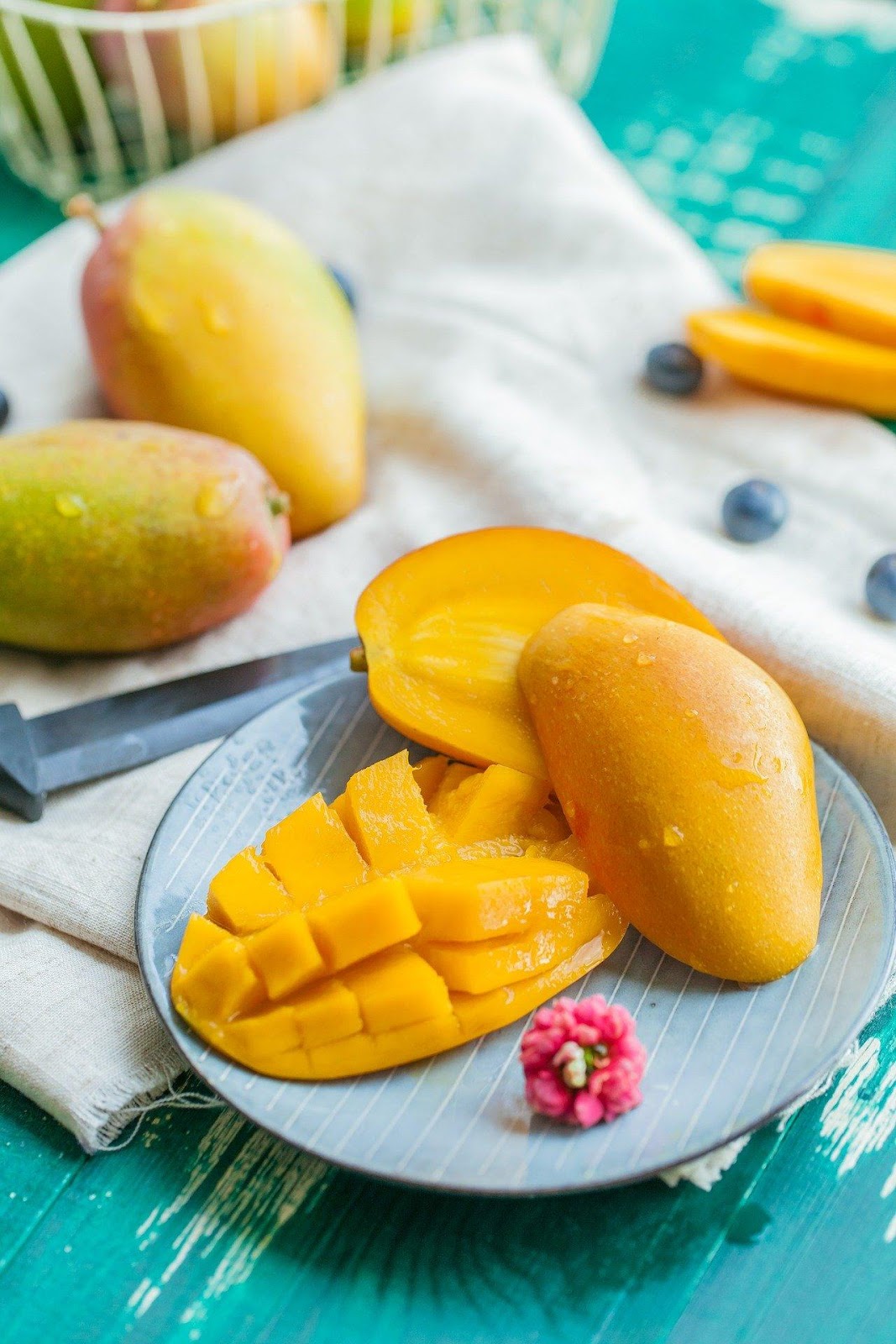
Mango is a delicious summer time fruit that contains many beneficial vitamins and minerals including vitamin A and C, copper, and potassium. It not only has a beautiful, vibrant yellow-orange color but is also rich in carotenoids which have antioxidant qualities. Mangoes may improve digestive health, heart health, and clear the skin.
Known as India’s national fruit, this fruit has a long history in this country. In ancient India, the mango tree was associated with the god of love, Manmatha. With the rise of Buddhism, mangoes became a symbol of faith and prosperity. Today, India cultivates over 100 different types of mangoes of various shapes, sizes, and colors.
Delicious on their own, in smoothies, in a sorbet, or even in savory dishes such as chutney or salsas, this fruit is perfect for summer!






 Metabolic Balance Blog
You must be logged in to post a comment.